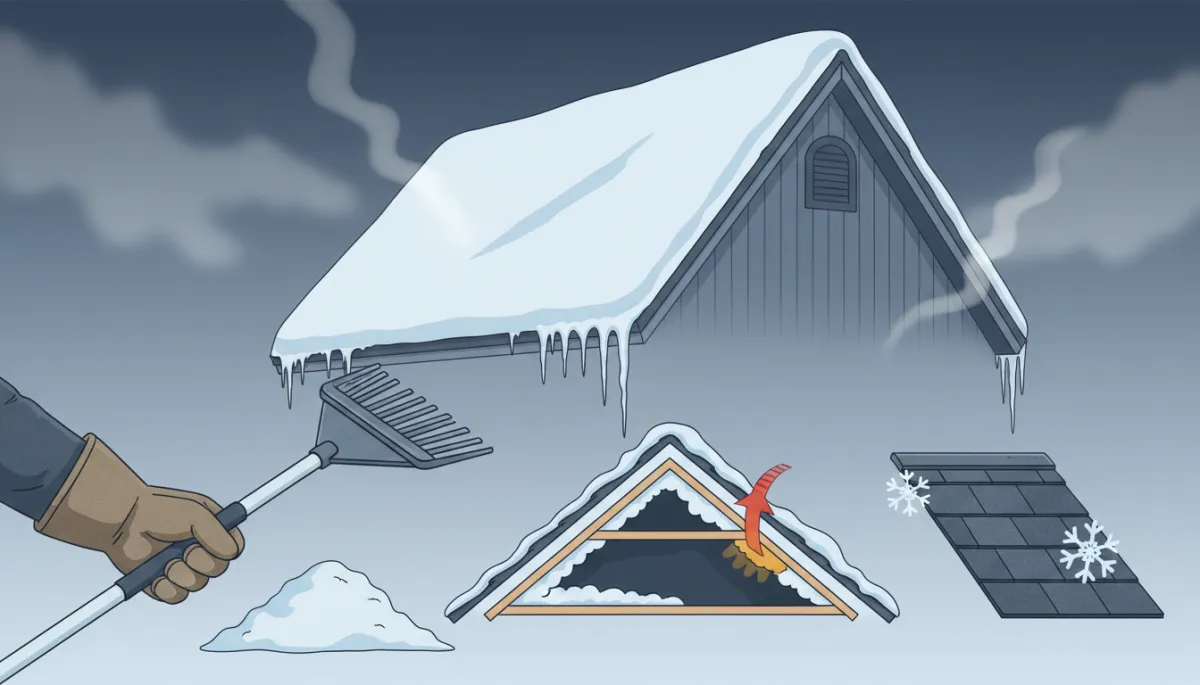
Winter Roofing Challenges in Snohomish County
Roofing, Winter Maintenance, Snohomish County
Winter Roofing Challenges in Snohomish County: Snow, Ice & Cold
Snohomish County winters can be tough on roofs — snow, ice, and freezing temperatures test even well-maintained systems. Snohomish Roofing Company helps homeowners prepare before winter and respond fast when damage happens. Call (360) 913-2021 or visit https://snohomishroof.com for a FREE pre-winter roof inspection.
How Snohomish County Winters Differ from Other Regions
Homeowners moving here from the Midwest or interior Northwest are often surprised that relatively modest snowfalls in Snohomish County can still cause serious roof issues. The difference is not just how much snow we get, but the type of snow and the constant freeze–thaw cycles typical of Western Washington’s maritime climate. Instead of months of consistently subfreezing temperatures, our weather swings above and below freezing, with wet snow, cold rain, and overnight refreezing. That pattern is hard on roofing systems, gutters, and flashings, even when total seasonal snowfall is lower than in colder regions.
Wet Pacific Northwest snow is much heavier than the dry, powdery snow common in colder continental climates. A few inches of dense, water-laden snow can weigh as much as a much deeper layer of dry snow. When that heavy snow partially melts during the day and freezes again at night, it expands and contracts against shingles, fasteners, and sealants. Over time, this cycle can loosen materials, open up small gaps, and contribute to leaks, ice dams, and premature roof aging. Understanding these local conditions is the first step in planning effective winter roof protection for your Snohomish County home.
Snow Load Limits for Typical PNW Roofs
Modern homes in Snohomish County are generally designed to meet or exceed current building codes for snow loads. Under the 2021 International Residential Code as adopted locally, the prescriptive minimum ground snow load for residential design in the City of Snohomish is about 25 pounds per square foot (psf), which translates to a similar minimum roof snow load once drift and other factors are considered. Some engineered facilities in the county use higher values based on standards such as ASCE 7, with ground snow loads above 30 psf and corresponding roof loads in the high 20s psf range. These numbers give designers a safety margin for typical winter events in our area.
For homeowners, the key takeaway is that a code-compliant roof in good condition should safely carry the snow loads we normally see in Western Washington. Problems arise when a roof structure is older, has been modified without engineering review, or has damage or rot in the framing. They can also appear when snow drifts unevenly, piling deeply in roof valleys, against dormers, or behind chimneys. Because our snow is heavy and often saturated, even a foot of accumulation in a drifted area can stress an already weakened roof. If you have concerns about your home’s structural capacity, Snohomish Roofing Company can coordinate with licensed professionals to evaluate your roof and advise whether reinforcement, repairs, or replacement are recommended before the next severe winter.
How Ice Dams Form on Western Washington Roofs
Ice dams are one of the most common winter roofing problems in Snohomish County. They form when heat from your home escapes into the attic and warms the upper portion of the roof, causing the snow sitting there to melt. As the meltwater runs down toward the colder eaves, it refreezes at the edge, gradually building a ridge of ice. That ridge traps additional meltwater behind it, forcing water to back up under shingles and into the roof assembly. The result can be leaks into ceilings and walls, soaked insulation, and damage to sheathing, fascia, and gutters, even when the roof covering itself is relatively new and in good condition, as explained by energy-efficiency resources such as the U.S. Department of Energy and other building science guides.
Our freeze–thaw climate makes conditions ideal for ice dams. A typical pattern is a wet snowstorm followed by a few days of temperatures in the mid-30s during the day and below freezing at night. The snow softens and melts on the warmer upper roof, then refreezes at the overhangs, repeating the cycle and growing the dam. On homes with complex rooflines, shallow slopes, or clogged gutters, ice dams tend to be more severe. Recognizing early signs—icicles forming only in certain areas, water stains on interior ceilings near exterior walls, or thick ice bands along the eaves—allows you to take action before major damage occurs.
Prevention: Ventilation, Insulation, and Air Sealing
Long-term ice dam prevention starts inside the home. According to energy-efficiency guidance from sources such as the U.S. Department of Energy, three elements work together: attic insulation, attic ventilation, and air sealing. Proper insulation on the attic floor helps keep heat in your living space instead of escaping into the attic. Adequate, balanced ventilation moves cold outdoor air through the attic, keeping the roof deck temperature more consistent from ridge to eave. Air sealing around light fixtures, plumbing penetrations, ductwork, and attic hatches stops warm indoor air from leaking directly into the attic and heating the roof from below.
Snohomish Roofing Company frequently sees homes where one or more of these elements are missing or underperforming. For example, a home might have good insulation but blocked soffit vents, or plenty of vents but major air leaks around recessed lighting. The result is uneven roof temperatures and localized ice damming. As part of a winter-ready inspection, our team can visually assess your roof vents, look for signs of poor ventilation such as excessive attic condensation, and identify areas where additional insulation or professional air sealing may be beneficial. Pairing roofing improvements with attic upgrades is often the most effective way to reduce ice dam risk over the long term while also improving comfort and energy efficiency inside your home.
Safe Snow Removal Methods for Homeowners
When a significant snow event hits Snohomish County, many homeowners wonder whether they should remove snow from their roofs. In most cases, a well-built, code-compliant residential roof can handle typical local snow loads without emergency removal. However, if you see unusually deep drifts, hear creaking or popping sounds from the structure, or notice doors suddenly sticking, it may be time to lighten the load. The safest option is to hire a qualified roofing contractor equipped with fall protection and appropriate tools. Climbing onto a snowy, icy roof without training and equipment is extremely dangerous and not recommended for homeowners.
If you choose to manage light accumulations yourself from the ground, use a roof rake with a long, non-conductive handle designed specifically for snow removal. Stand back from the eave line to avoid falling snow and ice, and work in small sections, pulling snow down the slope, not across it. Never use metal shovels, picks, or de-icing chemicals that can damage shingles and gutters. Avoid chipping or hacking at ice dams; this can break shingles, puncture underlayment, and bend gutters, creating more problems than it solves. Snohomish Roofing Company can advise whether your situation calls for professional snow removal and can provide service during major winter events when conditions warrant intervention to protect your home.
What to Check After a Freeze–Thaw Event
After a cycle of heavy snow followed by rain and refreezing—common in Western Washington—it is wise to perform a basic visual inspection of your roof and interior. From the ground, look for new or enlarged ice bands along the eaves, sagging gutters, or sections where shingles appear lifted or distorted. Check downspouts for blockages and make sure meltwater is draining away from the foundation rather than spilling over the gutter edges. If you see large icicles concentrated in one area, that may indicate heat loss and potential ice dam development at that location, even if leaks have not yet appeared inside the home.
Indoors, inspect ceilings along exterior walls, especially under roof valleys and eaves. Look for yellow or brown stains, peeling paint, or damp spots on drywall. In the attic, if it can be accessed safely, use a flashlight to look for wet or frosty roof sheathing, damp insulation, or visible water trails near penetrations such as bathroom fans and plumbing vents. A faint musty odor can also signal moisture intrusion. If you notice any of these warning signs, contact Snohomish Roofing Company promptly. Early detection allows for targeted repairs, such as replacing a small section of damaged sheathing or improving flashing, before more extensive and expensive water damage occurs.
Emergency Winter Roof Repairs and When to Call for Help
Despite the best preparation, winter storms can still cause sudden roof problems—wind-driven rain working under lifted shingles, falling branches puncturing the roof deck, or ice dams forcing water into the home. When that happens, fast, professional response is critical. Snohomish Roofing Company provides emergency winter repair services throughout Snohomish County, focusing first on stopping active leaks and stabilizing the situation to protect your interior finishes, electrical systems, and personal belongings. Temporary measures may include installing emergency tarps, replacing missing shingles, clearing limited snow or ice to access damaged areas, and sealing critical flashings until a permanent solution can be completed in safer weather conditions.
Homeowners should call for emergency assistance if they see active water dripping from ceilings or light fixtures, significant bulging in ceiling drywall, large sections of missing shingles visible from the ground, or impact damage from a tree or large limb. Avoid entering rooms where water is leaking through electrical fixtures, and do not attempt to climb onto the roof yourself during a storm or when surfaces are icy. Document visible damage with photos if it is safe to do so, as this can assist with insurance claims. Our team can also provide written repair reports and estimates to support your discussions with your insurer and help you plan both immediate fixes and longer-term improvements to reduce the chance of repeat issues in future winters.
Roofing Materials That Handle Cold and Moisture Best
Choosing the right roofing materials can make a significant difference in how well your home stands up to Snohomish County winters. Architectural asphalt shingles designed for cold climates remain a popular choice because they balance cost, durability, and performance. Many manufacturers offer shingles with reinforced mats, strong adhesives, and surface granules formulated to resist freeze–thaw damage and algae growth. When installed over high-quality underlayment and ice-and-water shield membranes at eaves and valleys, these systems provide robust protection against snow, ice, and wind-driven rain common in Western Washington winters, as noted in industry guidance on cold-climate roofing materials.
Metal roofing is another excellent option for our region. Properly installed standing-seam or metal panel roofs shed snow efficiently, reducing the time snow and ice remain on the surface. Metal is highly resistant to moisture, does not absorb water, and performs well through repeated freeze–thaw cycles. For low-slope sections or additions, modern single-ply membranes and synthetic materials can also perform well when detailed correctly. The best choice for your home depends on roof pitch, architectural style, budget, and whether you are planning a full replacement or a targeted repair. Snohomish Roofing Company can walk you through material options, explain how each behaves in our specific climate, and design a system that balances winter performance with year-round curb appeal and long-term value.
Prepare Your Snohomish County Roof Before Winter Arrives
The most cost-effective way to deal with snow, ice, and cold is to address vulnerabilities before storms arrive. A professional pre-winter inspection from Snohomish Roofing Company focuses on the areas most stressed by our local climate: shingle condition, flashing around chimneys and skylights, the integrity of underlayment at eaves and valleys, gutter attachment and slope, and visible attic ventilation components. We also look for telltale signs of past ice dams or leaks, such as staining on fascia boards, rusted nails, or brittle sealants. Based on our findings, we can recommend targeted maintenance—such as replacing a worn pipe boot, resealing flashing, cleaning and reinforcing gutters, or adding ice-and-water shield in critical areas—before heavy weather exposes those weaknesses.
Whether your home is in Everett, Snohomish, Lake Stevens, Monroe, or another Western Washington community, proactive planning can significantly reduce the risk of winter roof emergencies. Combining a sound roofing system, appropriate attic insulation and ventilation, and a clear plan for snow and ice management gives you confidence when storms roll in. If you would like expert eyes on your roof before temperatures drop, Snohomish Roofing Company is ready to help with thorough inspections, clear explanations, and practical recommendations tailored to your home and budget.
Don't let winter catch your roof off guard. Snohomish Roofing Company provides winter-ready inspections, emergency repairs, and full replacements throughout Snohomish County. Call (360) 913-2021 or visit https://snohomishroof.com — we're here all winter long.
SEO Title: Winter Roofing Challenges in Snohomish County | Snow, Ice & Cold Protection
Meta Description: Learn how wet snow, ice dams, and freeze–thaw cycles affect roofs in Snohomish County and Western Washington. Discover snow load limits, safe snow removal, emergency repairs, and the best roofing materials for cold weather from Snohomish Roofing Company.
Meta Keywords: Snohomish County winter roofing, snow load limits, ice dam prevention, roof freeze thaw damage, emergency roof repair Snohomish, winter roof inspection, Snohomish Roofing Company, Western Washington roofs in winter