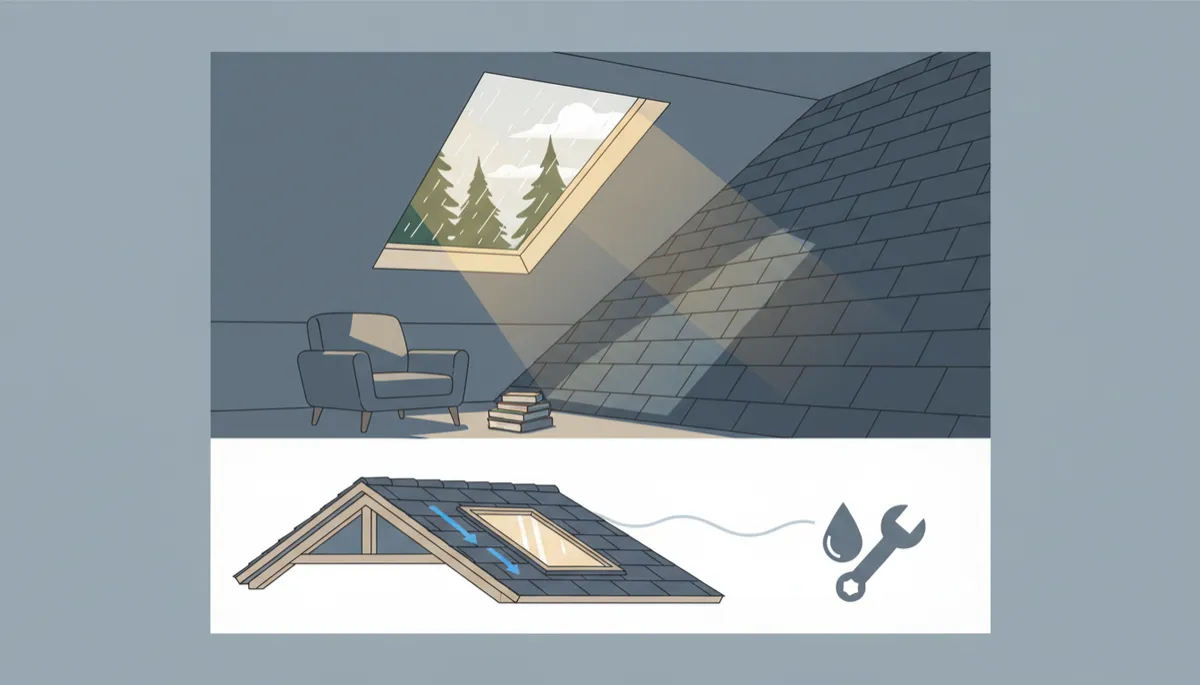
Skylights in the Pacific Northwest: Worth It?
Roofing, Skylights, Snohomish County, Pacific Northwest Homes
Skylights and Roof Windows: Are They Worth It in the Pacific Northwest?
Skylights bring coveted natural light into Pacific Northwest homes — but in our rainy climate, a poorly installed or aging skylight can become a serious leak source. Snohomish Roofing Company installs and repairs skylights throughout Snohomish County. Call (360) 913-2021 or visit https://snohomishroof.com for a FREE skylight or roof consultation.
Why Skylights Appeal to Pacific Northwest Homeowners
In Snohomish County and across the Pacific Northwest, short winter days and long stretches of overcast weather are part of everyday life. Many homes, especially older ones with deep roof overhangs and tall trees nearby, can feel dim even at midday. Skylights and roof windows offer a direct solution by bringing daylight in from above, where clouds are bright even when the horizon looks gray. The result is a noticeable boost in natural light that can make kitchens, living rooms, stairwells, and home offices feel more open and inviting year-round.
Beyond aesthetics, increased daylight can help reduce reliance on artificial lighting during the day. While skylights are not a full substitute for efficient fixtures, they can contribute to lower electricity usage over time, particularly in frequently used spaces. Many homeowners also report that brighter interiors feel warmer and more cheerful in the darker months, which is a meaningful quality-of-life benefit in our climate. When properly selected and installed, modern skylights can provide this extra light without adding drafts or major heat loss, making them a practical upgrade rather than just a luxury feature.
Common Types of Skylights: Fixed, Vented, and Tubular
Most residential skylights in Snohomish County fall into three main categories. Understanding the differences will help you select the right option for your roof, room layout, and budget.
- Fixed skylights: These do not open and are designed strictly for daylight. They are typically the most economical choice and have fewer moving parts to wear out. Fixed units are well suited to living rooms, stairwells, and other areas where extra light is the priority and ventilation is not essential. With proper flashing and insulation, fixed skylights can be very energy efficient and reliable in our wet, cool climate.
- Vented skylights and roof windows: These units open to allow fresh air in and warm, humid air out. They are especially useful in bathrooms, kitchens, and vaulted bedrooms where heat and moisture can build up. Vented skylights are available in manual crank styles, electric models, and solar-powered versions with rain sensors that close automatically when showers move in — an important feature in the Pacific Northwest. Because vented units have more seals and hardware, professional installation is critical to long-term performance.
- Tubular skylights (sun tunnels): Tubular daylighting devices use a small roof dome and a reflective tube to bring light into tight or windowless areas such as hallways, closets, and interior bathrooms. They typically require less structural modification than a traditional skylight and can be an excellent retrofit option in homes with complex rooflines. Installed costs in our region often fall into the lower range compared to full-size units, while still delivering a surprising amount of usable light.
Quality Brands vs. Budget Options: Why It Matters Here
In a dry climate, a lower-cost skylight may perform adequately for many years. In the Pacific Northwest, with months of steady rain, wind-driven storms, and occasional snow loads, product quality plays a much larger role. Well-known manufacturers such as VELUX, FAKRO, and Solatube invest heavily in durable glazing, advanced weather seals, and energy-efficient glass coatings designed for real-world conditions. Many of their models carry strong warranties on both the glass and the frame, and they provide detailed installation guidelines tailored to roof pitch and roofing material.
Budget skylights and off-brand roof windows may look similar at first glance, but often rely on thinner frames, basic acrylic glazing, and less robust gaskets. Over time, UV exposure and constant moisture can cause these components to become brittle or distorted, increasing the risk of leaks, fogging, and drafts. When you factor in the cost of interior repairs from water intrusion — drywall, paint, insulation, and sometimes flooring — the initial savings can disappear quickly. For Snohomish homeowners, choosing a reputable brand and pairing it with professional installation is usually the most cost-effective path over the life of the roof.
Flashing and Waterproofing: The Critical Piece in a Rainy Climate
No matter how good a skylight is, it will only perform as well as the flashing system around it. Flashing is the layered metal and membrane detail that ties the skylight into your roofing so water is directed safely down the roof surface instead of into your home. In the Pacific Northwest, this detail is especially important because we do not just see occasional downpours; we see continuous wet conditions that can exploit even small weaknesses over time.
Professional roofing contractors use manufacturer-specific flashing kits, underlayment membranes, and step flashing techniques that are tested for local weather patterns and roof pitches. They also understand how to integrate skylights with existing shingles, underlayment, and roof vents so that water cannot back up around the unit. Improperly installed or improvised flashing is one of the most common reasons homeowners call Snohomish Roofing Company for skylight leak repairs. Investing in correct flashing from the start is one of the best ways to protect your home and your new skylight.
Condensation and Moisture: Managing Interior Humidity
Another concern with skylights in our cool, damp region is condensation. When warm, humid indoor air contacts a cold surface, moisture can form on the glass or frame. Modern double- or triple-pane skylights with low-E coatings and insulated frames significantly reduce this effect, but do not eliminate it entirely, especially in bathrooms, kitchens, and homes with limited ventilation. Persistent condensation can lead to staining, mold growth on surrounding drywall, and deterioration of wood trim if not addressed.
To manage condensation, homeowners should focus on both product selection and indoor humidity control. Choosing high-performance units from brands known for cold-climate performance, ensuring the light shaft is properly insulated, and incorporating vented skylights or mechanical fans in moisture-prone rooms all help. Regularly using bathroom and kitchen exhaust fans, maintaining your home’s HVAC system, and keeping indoor humidity within recommended ranges are equally important. If you notice persistent fogging between glass panes, that typically indicates a failed seal, which is a repair or replacement issue rather than normal condensation.
How to Detect Skylight Leaks Early
Because skylights are above eye level, minor leaks can go unnoticed until they cause visible damage. During and after heavy rains, take a moment to inspect the ceiling and walls around your skylight. Look for yellow or brown staining on drywall, peeling paint, damp spots on trim, or bubbling along the tape joints of your ceiling. These can all be early indicators that water is migrating through the roof assembly. Also check the interior frame of the skylight for signs of water tracking, discoloration, or soft wood.
From the exterior, homeowners should visually check that shingles around the skylight lie flat, that there is no exposed underlayment, and that metal flashing is not bent, rusted, or missing. Moss or debris piled up against the uphill side of the skylight can trap water and force it under the flashing, so keeping the surrounding roof area clean is important. If you suspect a problem, it is wise to contact a qualified roofing contractor rather than attempting to diagnose or repair the issue from the roof yourself, especially on steep or wet surfaces common in our area.
Ongoing Maintenance Requirements for PNW Skylights
Regular maintenance extends the life of any skylight, particularly in the Pacific Northwest. At least once or twice a year, clean accessible interior glass with a mild, non-abrasive cleaner to maximize light transmission and reduce the chance of mold growth at the edges. Exterior glass and domes should be rinsed periodically to remove grime, pollen, and tree debris. When safely possible, clear leaves, needles, and moss from around the curb so water can flow freely off the roof rather than pooling near the flashing.
It is also wise to schedule periodic professional inspections, especially before the wet season. A roofer familiar with local conditions can check seals, fasteners, flashing, and the surrounding roofing for early signs of wear, then recommend targeted repairs if needed. Trimming overhanging branches, monitoring attic ventilation, and addressing general roof maintenance issues, such as loose shingles or clogged gutters, all contribute to better skylight performance. These relatively small efforts can prevent larger issues and help your skylight deliver reliable daylight for many years.
What Does Skylight Installation or Repair Cost in the Pacific Northwest?
Skylight pricing varies based on size, type, brand, and the complexity of your roof. Nationally, many homeowners pay between $1,500 and $3,000 for a standard skylight installation, with higher-end projects reaching $5,000 or more. In the Pacific Northwest, labor and access costs are typically 10–25% higher than the national average, especially on steep or multi-story roofs. As a result, a new fixed skylight with professional installation, including cutting the opening, framing, flashing, and interior finishing, often falls in the approximate range of $3,300 to $6,250 per unit in our region, depending on site conditions and finishes.
Manual venting skylights and solar or electric venting models add cost due to more complex hardware and, in some cases, electrical work. It is not unusual for vented units to land between roughly $3,850 and $8,750 installed in the Pacific Northwest, while high-end solar-powered models with rain sensors and smart controls can extend beyond that. Tubular skylights generally represent the most affordable option, with many projects ranging from about $660 to $1,375 installed. Repair costs are more variable: resealing or re-flashing an otherwise sound skylight may be a relatively modest expense, while addressing long-term leakage that has damaged framing, insulation, and interior finishes can be more substantial. An on-site assessment from a local roofing professional is the best way to obtain accurate pricing for your specific home and goals.
Repair or Replace? Knowing When Replacement Makes More Sense
When a skylight leaks or shows signs of age, homeowners often wonder whether it is better to repair the existing unit or invest in a full replacement. In many cases, minor issues such as localized flashing failures, sealant cracks, or loose fasteners can be addressed with targeted repairs, especially if the skylight itself is relatively new and from a reputable brand. If the surrounding roofing is in good condition and the glass remains clear, repair can be a cost-effective way to extend the life of the system.
Replacement becomes the better option when the skylight is approaching the end of its expected service life, often 20 years or more, or when you see recurring problems such as fogging between panes, cracked acrylic domes, or chronic leaks despite previous repairs. Upgrading an older skylight during a roof replacement is also smart, since the roofing and flashing are already being replaced and labor can be combined. Modern skylights are significantly more energy efficient and better sealed than many older models, which can improve comfort and reduce condensation risks. A roofing contractor familiar with Snohomish County homes can evaluate the age, condition, and installation details of your skylight and recommend whether repair or replacement will provide the best long-term value.
Are Skylights Worth It in the Pacific Northwest?
For many Snohomish County homeowners, the answer is yes — provided that the skylight is a quality product, properly sized for the space, and installed by an experienced roofing professional. The added natural light can transform darker rooms, reduce the need for daytime lighting, and make your home feel more connected to the outdoors even on gray days. Vented skylights can also help manage indoor humidity and improve comfort in key areas. The key is to approach skylights as a long-term building component, not a quick add-on. Careful attention to flashing, insulation, ventilation, and regular maintenance will protect your investment and your home’s interior finishes.
Thinking about adding a skylight — or dealing with one that leaks? Snohomish Roofing Company handles skylight installation, flashing, and repair throughout Snohomish County. Call (360) 913-2021 or visit https://snohomishroof.com for expert help.