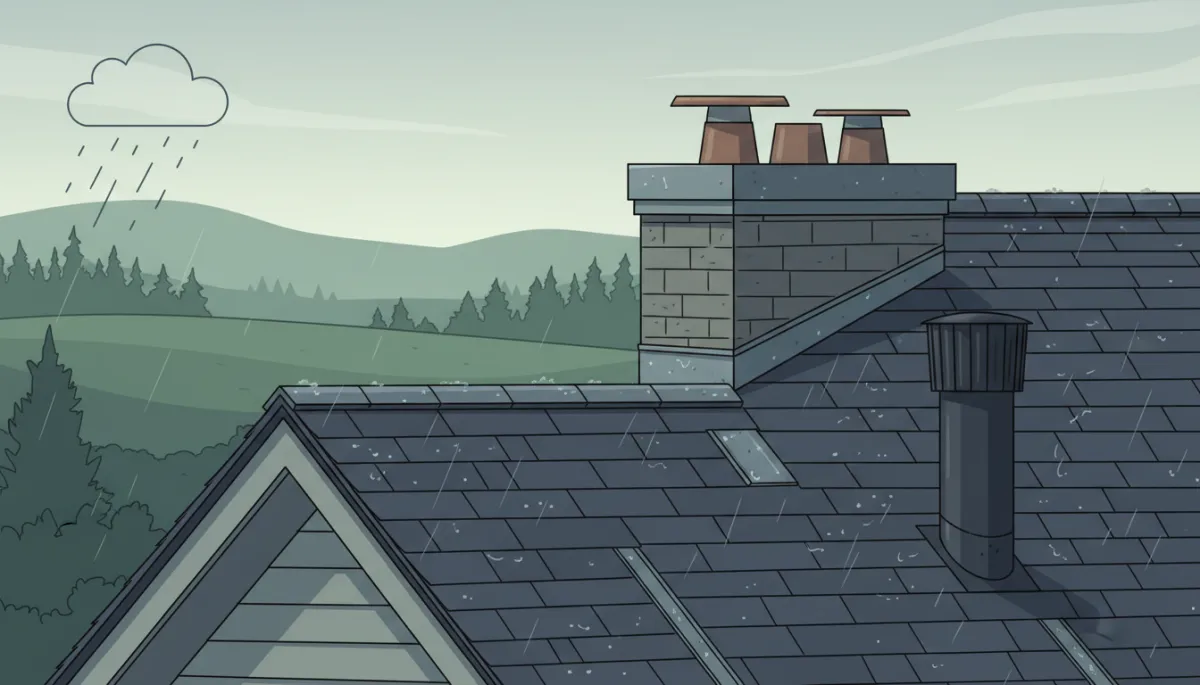
Prevent Roof Leaks with Expert Flashing in WA
Roofing, Roof Flashing, Leak Prevention, Snohomish County
Roof Flashing: The Key to Preventing Leaks in Western Washington
Roof leaks often start not with failed shingles, but with failed flashing. In the Pacific Northwest's rainy climate, properly installed and maintained flashing is essential. Snohomish Roofing Company specializes in flashing installation and repair across Snohomish County. Call (360) 913-2021 or visit https://snohomishroof.com for a FREE flashing inspection today.
What Roof Flashing Is and Why It Matters So Much Here
Roof flashing is the thin, weather-resistant metal installed at joints, transitions, and penetrations on your roof. Its job is simple but critical: direct water away from vulnerable areas and onto the surface of the shingles or into gutters where it can safely drain. Anywhere your roof changes direction, meets a wall, or is interrupted by a feature such as a chimney, skylight, or vent, flashing is what keeps water from sneaking in behind the roofing materials and into your home’s structure.
In Western Washington and Snohomish County, this role becomes even more important. Our roofs are exposed to long, soaking rains, wind-driven storms, and frequent damp conditions. Shingles alone are not designed to seal every corner and seam. Without properly installed and maintained flashing, even a newer roof can develop leaks around edges, valleys, and penetrations. Over time, those small leaks can lead to mold, rot, damaged insulation, and costly structural repairs that far exceed the cost of timely flashing work.
The Main Types of Roof Flashing on a Typical Snohomish County Home
A residential roof relies on several different kinds of flashing, each designed for a specific location and purpose. Understanding what you have on your roof can help you recognize where problems are most likely to develop.
- Step flashing: Used where a sloped roof meets a vertical wall, such as along the side of a dormer. Individual pieces of metal “step” up the roof with each course of shingles, channeling water down and away from the wall. If step flashing is missing, improperly lapped, or corroded, water can enter the wall assembly and cause hidden damage for years before it becomes obvious inside the home.
- Counter flashing: Often paired with step flashing around chimneys and masonry walls, counter flashing is installed into a mortar joint or wall surface and overlaps the base flashing below. It prevents water from running behind the base flashing and is especially important on brick and stone structures commonly seen in established Western Washington neighborhoods.
- Valley flashing: Valleys are the internal angles where two roof planes meet. These areas collect and carry large volumes of water during heavy rains. Valley flashing, usually a wide metal piece running the length of the valley, provides a durable channel for that water. If valley flashing is undersized, corroded, or incorrectly installed, water can back up and work under the shingles, leading to leaks that often show up on ceilings below the valley line.
- Drip edge flashing: Installed along the eaves and rakes (the edges of the roof), drip edge flashing helps guide water into the gutters and away from the fascia and roof deck. It also protects the edges of the sheathing from wind-driven rain and helps prevent pests from entering under the shingles. Missing or damaged drip edge is a frequent contributor to rotted fascia boards in our wet climate.
- Vent pipe flashing: Plumbing vents, furnace exhausts, and other pipes penetrating the roof are sealed with specialized flashing, often incorporating a metal base and a rubber boot. Over time, the boot can crack or pull away, particularly under UV exposure and temperature swings, allowing water to run down the pipe and into the attic or wall cavities.
- Skylight flashing: Skylights are popular in Western Washington for bringing in natural light during our gray months, but they also introduce a large opening in the roof. Proper skylight flashing systems include head, sill, and side flashing, along with underlayment integration. If any component is missing or installed incorrectly, leaks can develop around the frame or corners, often mistaken for “skylight failure” when the real culprit is the flashing.
Common Flashing Failure Points in the Pacific Northwest Climate
Western Washington’s weather magnifies even small installation errors or material weaknesses. Some of the most common flashing problems Snohomish Roofing Company encounters on local homes include:
- Inadequate overlap or incorrect sequencing of step flashing and shingles, allowing wind-driven rain to blow behind the flashing during storms.
- Rusted galvanized steel flashing that has lost its protective coating after years of constant moisture exposure, especially near valleys and low-slope transitions where water lingers.
- Deteriorated sealants around chimneys, skylights, and vent pipes. Caulks and mastics are not permanent waterproofing solutions; in our wet environment, they can crack, shrink, or separate from metal and masonry, opening up pathways for water intrusion.
- Improperly integrated underlayment around skylights and wall intersections, where the flashing is not tied into the waterproof membrane beneath the shingles, leading to leaks that appear far from the actual flashing location.
How Rain and Freeze–Thaw Cycles Accelerate Flashing Damage in Western Washington
While Western Washington is known more for rain than harsh winters, our combination of persistent moisture and periodic cold snaps is hard on roof flashing. Metal expands and contracts as temperatures rise and fall. When this movement is repeated over thousands of cycles, fasteners can loosen, seams can open slightly, and sealants can separate from adjacent materials. Water then finds these tiny gaps and begins to work its way in.
Freeze–thaw cycles add another layer of stress. Water that gets behind flashing or into small cracks can freeze on cold nights in Snohomish County. As it freezes, it expands, prying gaps wider and further displacing sealants and fasteners. When it thaws, more water enters, and the cycle repeats. Over several seasons, what began as a hairline opening can become a clear pathway for liquid water during heavy rains, resulting in active leaks inside the home. This process is often invisible from the ground, which is why periodic professional inspections are so valuable in our region.
Choosing Proper Flashing Materials: Galvanized Steel, Aluminum, and Copper
Not all flashing materials perform equally well in Western Washington’s damp environment. The three most common metals for residential flashing are galvanized steel, aluminum, and copper, each with its own advantages and considerations for local homes.
- Galvanized steel: This is a widely used, cost-effective option. The steel is coated with zinc to resist rust, but over time, that coating can wear away, especially in constantly wet areas or where dissimilar metals cause galvanic corrosion. Proper thickness, correct fasteners, and good detailing are essential to maximize lifespan in our climate. Many existing Snohomish County roofs use galvanized steel flashing that is now reaching the end of its service life.
- Aluminum: Lightweight and naturally corrosion-resistant, aluminum flashing performs well in many applications. However, it must be separated from certain materials, such as treated lumber or copper, to avoid corrosion issues. It is often used for drip edges and some wall flashings. In high-exposure areas, selecting the right gauge and finish helps ensure durability against wind, rain, and UV exposure.
- Copper: Copper offers exceptional longevity and corrosion resistance, making it an excellent choice for premium projects, historic homes, and high-value details such as chimneys and valleys. It develops a natural patina over time and can outlast multiple generations of shingles when installed correctly. While copper is more expensive upfront, its long service life can make it a sound investment for homeowners planning to stay in their homes for many years.
A qualified roofing contractor will evaluate not only the material but also how it interacts with your specific roofing system, gutters, siding, and masonry to create a complete, durable waterproofing solution suited to Western Washington conditions.
Signs Your Roof Flashing May Be Failing
Because flashing is located at roof edges and penetrations, many early warning signs show up in predictable places. Homeowners in Snohomish County should watch for the following indicators and schedule an inspection promptly if they appear:
- Water stains or discoloration on ceilings or walls near chimneys, skylights, or where a lower roof meets an upper wall.
- Drips or damp spots in the attic after heavy rain, especially around vent pipes or along valley lines.
- Visible rust, lifted edges, or gaps in metal flashing when viewed from the ground or during a safe, professional inspection.
- Cracked or missing sealant around chimneys, skylight frames, and pipe boots, or rubber boots that appear brittle, split, or pulled away from the pipe.
DIY Versus Professional Flashing Repair in Snohomish County
It can be tempting for homeowners to attempt a quick fix when they notice a small leak, especially around a vent pipe or chimney. However, flashing repair is one of the most technically demanding aspects of roofing work. It involves understanding water flow, overlapping layers, fastener placement, and integration with underlayment and adjacent materials. A patch that seems to work during light rain may fail completely during the next wind-driven storm off Puget Sound.
DIY attempts often rely heavily on caulk or roof cement, which can provide a short-term bandage but rarely delivers a long-term solution in our wet climate. Overuse of sealant can also trap water, accelerate corrosion, and make future professional repairs more complicated and expensive. In addition, working on a roof carries significant safety risks, particularly on steep or slippery surfaces common in Western Washington. A professional roofing company has the training, safety equipment, and experience to diagnose the true source of the leak and install flashing that will perform reliably for years.
The Consequences of Ignoring Failing Flashing
Because flashing issues often start small, it is easy to postpone repairs or assume a minor stain is not urgent. In Western Washington’s climate, that can be a costly mistake. Water entering around failed flashing does not simply evaporate; it is absorbed by wood framing, insulation, and drywall. Over time, this leads to rot in roof decks and wall studs, sagging ceilings, deteriorated insulation performance, and conditions favorable for mold growth. These problems can remain hidden until they are extensive, at which point repairs may involve not only roofing work but also structural carpentry, interior restoration, and mold remediation.
From a financial standpoint, addressing flashing concerns promptly is one of the most cost-effective ways to protect your home. Replacing a section of valley flashing, installing new vent pipe boots, or upgrading chimney flashing is a fraction of the cost of repairing widespread water damage. For homeowners planning to sell, documented, professional flashing repairs and inspections can also be reassuring to buyers and home inspectors, reducing the chance of last-minute negotiations over roof issues.
Protect Your Western Washington Home with Professional Flashing Care
For homeowners in Snohomish County and across Western Washington, paying attention to roof flashing is one of the smartest ways to extend the life of your roof and safeguard the rest of your home. Regular inspections, especially after major storms or as your roof ages, can catch small issues before they turn into major leaks. A qualified roofing professional will evaluate all critical flashing locations, recommend appropriate materials for our damp, variable climate, and ensure that new flashing is integrated correctly with shingles, underlayment, gutters, and siding.
Do not wait for ceiling stains or dripping water to signal that something is wrong. Proactive flashing maintenance is far less disruptive and less expensive than emergency leak repairs and interior restoration. Whether your roof is nearing the end of its expected life or you simply want peace of mind before another rainy season, a professional flashing inspection is a practical, protective step for any Western Washington homeowner.
Don't let failed flashing destroy your Snohomish County roof. Snohomish Roofing Company repairs and replaces all types of roof flashing throughout the Puget Sound area. Call (360) 913-2021 or visit https://snohomishroof.com to schedule your free inspection.
SEO Title: Roof Flashing: Preventing Roof Leaks in Western Washington | Snohomish Roofing Company
Meta Description: Learn why roof flashing is critical to preventing leaks in Western Washington’s rainy climate. Snohomish Roofing Company explains types of flashing, common failure points, warning signs, and when to call a professional for repair or replacement in Snohomish County.
Meta Keywords: roof flashing Snohomish County, roof leak Western Washington, flashing repair Snohomish Roofing Company, step flashing, valley flashing, drip edge, vent pipe flashing, skylight flashing, roof leak repair Puget Sound, galvanized steel flashing, copper flashing