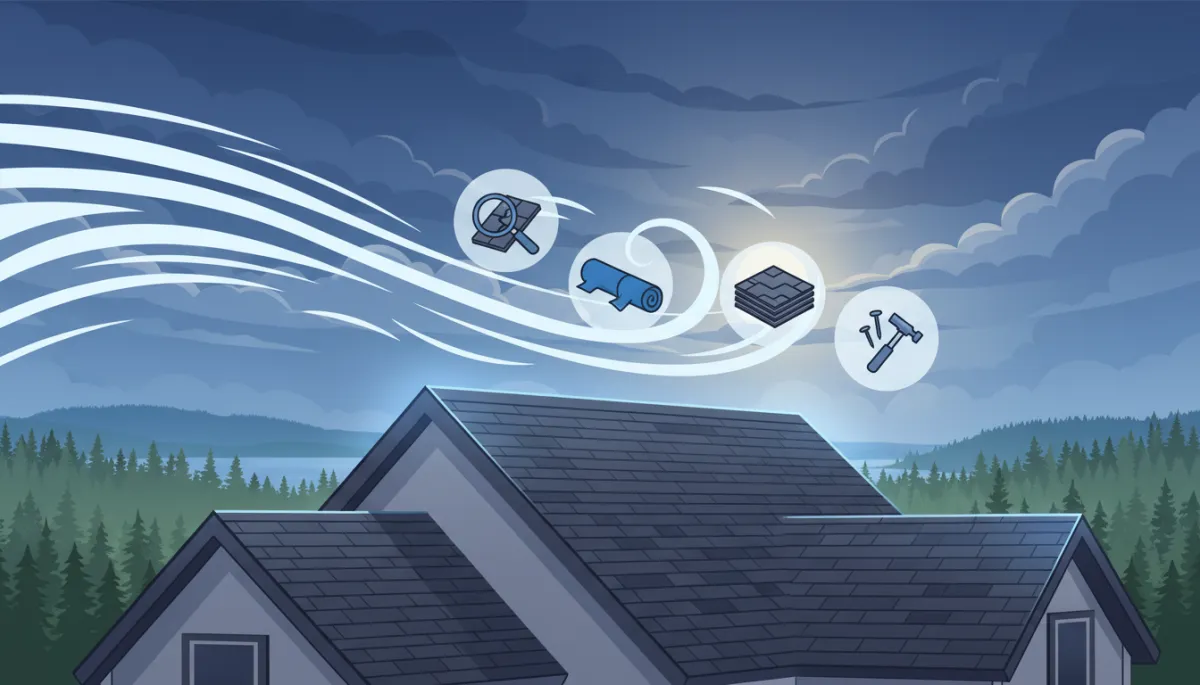
Protect Your Roof from Pacific NW Wind Storms
Home Improvement, Roofing, Storm Preparedness, Snohomish County
How to Protect Your Roof From Pacific Northwest Wind Storms
A major windstorm can damage your roof in a matter of hours — and in the Pacific Northwest, they happen every year. Snohomish Roofing Company is ready to help you prepare your roof before the next storm and repair it fast when damage occurs. Call (360) 913-2021 or visit https://snohomishroof.com to schedule a FREE pre-storm inspection today.
Why Puget Sound Roofs Face Unique Windstorm Risks
Western Washington’s windstorms are not like a quick summer breeze. They are powerful extratropical cyclones that typically roll through between late fall and early spring, often called “Big Blows.” According to regional climatology, the strongest activity tends to occur from November through March, with recent notable events in March and April as well. That means Snohomish County and the wider Puget Sound area can see damaging winds well beyond the traditional winter months.
Wind events are generally grouped by gust strength: minor storms bring gusts around 39–44 mph, moderate storms 45–54 mph, and major storms 55–64 mph. While extreme and “phenomenal” storms above 65 mph are less frequent, gusts in the 45–60 mph range are common enough that homeowners should expect to see them several times over the lifespan of a roof. Even if your home is not directly on the coast, local topography, gaps in the hills, and open valleys can funnel winds through Snohomish County neighborhoods and across rooftops with surprising force.
In March 2026, for example, a powerful windstorm cut power to tens of thousands of customers in Western Washington, and a falling tree tragically killed a person in Snohomish County. Events like this highlight that our roofs are the first line of defense against flying debris, driven rain, and tree damage. Preparing your roofing system for these recurring storms is a practical investment in both safety and long-term home value.
The Most Vulnerable Areas of Your Roof in High Winds
Wind does not hit every part of the roof equally. Understanding which sections are most exposed helps you focus your maintenance and inspections where they matter most. Snohomish Roofing Company pays special attention to the following areas during pre-storm evaluations:
- Ridgeline: The ridge is the highest point of the roof and often takes the brunt of wind pressure. Poorly fastened ridge caps can lift, exposing the underlayment and creating a pathway for water infiltration during driving rain. Over time, repeated lifting and flexing can break fasteners or crack shingles along the ridge line.
- Valleys: Valleys are where two roof planes meet and channel water. In a windstorm, leaves, needles, and small branches can accumulate in these channels, trapping moisture and forcing water sideways under shingles. If valley metal or shingles are already loose, wind-driven rain can penetrate quickly and appear as leaks inside your home days or weeks after the storm.
- Eaves and edges: The edges of your roof act like the wing of an airplane. As wind flows over and under the eaves, uplift forces can pry shingles or even entire sections of sheathing if they are not properly anchored. Loose drip edge metal, rotted fascia boards, and inadequate fasteners at the perimeter are common weak points that fail early in high winds.
- Flashing and roof penetrations: Flashing around chimneys, skylights, plumbing vents, and sidewalls is designed to create a watertight seal. When strong gusts lift or bend flashing, even slightly, water can be driven underneath and into your attic or wall cavities. In the Puget Sound’s frequent atmospheric river events, that combination of heavy rain and wind is especially hard on aging flashing.
How to Inspect Your Roof Safely After a Windstorm
Once the storm passes and it is safe to go outside, you should perform a basic visual inspection to spot obvious problems early. Many issues can be seen from the ground or from an upstairs window, and a quick check can prevent a small problem from turning into a major leak during the next rain system. Always prioritize your safety and avoid climbing on a wet or debris-covered roof.
- Start with a perimeter walk: Walk around your home and look up at the roof using binoculars if you have them. Note any missing, cracked, or curled shingles, especially along the ridgeline, edges, and valleys. Look for lifted ridge caps, exposed nail heads, or areas where the shingle pattern looks uneven or disturbed.
- Check for debris and impact damage: Look for branches, broken limbs, or other debris resting on the roof. Even if they did not puncture the surface, they may have cracked shingles or damaged flashing. Also inspect your yard for shingles or pieces of roofing material that may have blown off; finding them on the ground is a clear sign of roof damage above.
- Inspect gutters and downspouts: Gutters often catch shingle granules during storms. If you see a sudden increase in granules, your shingles may have experienced significant abrasion and aging. Also confirm that gutters are still firmly attached and not pulling away from the fascia, which can indicate underlying structural issues at the eaves.
- Look inside the attic: When it is safe, go into your attic with a flashlight. Check the underside of the roof deck for signs of water intrusion: dark stains, damp insulation, or active drips. Pay special attention around chimneys, skylights, and vent pipes. Sometimes leaks from wind-driven rain only appear in certain wind directions, so a post-storm attic check is essential.
- Watch ceilings and walls over the next few days: Not all leaks are immediately obvious. Over the week following a storm, keep an eye out for new stains, bubbling paint, or musty odors on ceilings and upper walls. These can be delayed signs of a roof issue that deserves professional attention.
Temporary Tarping and Emergency Protection Steps
In some cases, a windstorm may cause sudden roof damage that allows active water intrusion into your home. When that happens, temporary tarping can help limit further interior damage until permanent repairs are completed. However, working on a storm-damaged roof is hazardous, especially in wet, windy, or dark conditions, so homeowners should be cautious and know when to call for emergency help instead of attempting repairs themselves.
- Protect the interior first: Move furniture, electronics, and valuables away from leaks. Place buckets or containers under active drips and lay down plastic sheeting or tarps to protect flooring. If water is pooling in a ceiling, consider contacting a professional immediately; a sagging ceiling can collapse without warning.
- Only access the roof if conditions are safe: Never climb onto the roof during high winds, lightning, or heavy rain. Wait until surfaces are as dry as possible, use a stable ladder, and wear non-slip footwear. If there is any doubt about safety, call Snohomish Roofing Company for emergency service instead of taking the risk yourself.
- Apply a temporary tarp correctly: If you are experienced and conditions allow, a heavy-duty tarp should extend several feet beyond the damaged area in all directions. It should be secured over a ridge or high point, not just on the damaged section, so water sheds off the tarp rather than running under it. Use wood strips and appropriate fasteners to anchor the tarp into the roof framing, avoiding quick fixes like bricks or loose boards that can become dangerous projectiles in the next wind gust.
- Schedule permanent repairs quickly: A tarp is not a long-term solution. Prolonged exposure to UV light and wind will degrade most tarps, and trapped moisture can damage the roof deck. Contact a qualified local roofer promptly to assess the damage, work with your insurance company if needed, and restore your roof to full strength before the next storm system arrives.
Roofing Materials That Perform Best in Pacific Northwest Winds
While no roofing material is completely immune to extreme weather, some options perform better than others in the Puget Sound’s mix of wind, rain, and moss-friendly moisture. The key is choosing products rated for high wind speeds and having them installed according to manufacturer specifications and local building codes.
- Architectural asphalt shingles: High-quality architectural (laminated) shingles are among the most common choices in Snohomish County for good reason. Many lines are tested and rated for wind speeds of 110–130 mph when installed with the correct fastening pattern. They offer a good balance of cost, durability, and appearance, and repair work is straightforward when individual shingles are damaged in a storm.
- Metal roofing: Properly installed standing seam or metal panel roofs can withstand very high winds, often up to 140 mph or more. Their interlocking design reduces the risk of uplift, and smooth surfaces shed debris and moss more easily than rougher materials. Metal can be an excellent long-term investment for homes in especially exposed locations, such as hilltops or waterfront properties along Puget Sound.
- Concrete and clay tiles: These heavy materials resist wind uplift well when mechanically fastened to a properly engineered roof structure. However, they require careful design and installation to avoid breakage and ensure the underlying waterproofing system is robust. They are more common in certain architectural styles and may not be ideal for every Snohomish County home, particularly where snow load or structural limits are a concern.
- Synthetic and composite products: Modern synthetic shingles and tiles are engineered to mimic slate, shake, or tile while offering improved impact and wind resistance at a lower weight. Many are tested to high wind standards and can be a strong choice when paired with expert installation and a solid underlayment system.
Why Proper Fastening and Installation Matter More Than You Think
In windstorms, the difference between a roof that weathers the event and one that suffers major damage often comes down to the quality of installation. Even the best materials cannot compensate for inadequate fastening, poor nailing patterns, or missing components at critical transition points. Snohomish Roofing Company emphasizes craftsmanship and adherence to manufacturer guidelines on every project for this reason.
- Nail placement and quantity: Shingles are designed to be nailed in specific “sweet spots” where overlapping layers create the strongest hold. Nails driven too high, too low, or at an angle can dramatically reduce wind resistance. Using fewer nails than specified may save time but leaves shingles more vulnerable to uplift during gusts that are common in Puget Sound storms.
- Starter strips and edge details: Proper starter shingles along eaves and rakes create a sealed edge that resists wind entry. Without them, wind can more easily get underneath the first course of shingles and start peeling them back. Metal drip edge, securely fastened to sound wood, further reinforces the perimeter against uplift and water intrusion.
- Underlayment and ice-and-water protection: High-quality underlayment acts as a secondary barrier if wind lifts shingles or drives rain under them. In valleys, along eaves, and around penetrations, self-adhering membranes provide additional protection against wind-driven rain, which is common during atmospheric river events in the Pacific Northwest.
- Ventilation and structural integrity: Balanced attic ventilation reduces pressure differences that can contribute to uplift and helps prevent moisture buildup that weakens roof decking over time. Ensuring that the roof deck is properly fastened to rafters or trusses adds another layer of resilience against powerful gusts.
When to Call a Professional Roofer — and When You Can Wait
Not every windstorm requires immediate roof work, but certain signs mean you should contact a professional right away. Knowing the difference helps you prioritize safety and budget wisely while still protecting your home before the next system moves in off the Pacific.
Call a professional immediately if:
- You see active leaks, dripping water, or ceiling sagging after a storm.
- Sections of shingles, flashing, or ridge caps are visibly missing or flapping in the wind.
- A tree or large limb has struck your roof, even if damage is not obvious from the ground.
- You are uncomfortable or unable to safely inspect the roof yourself due to height, pitch, or weather conditions.
You may be able to schedule a non-urgent visit when:
- You notice minor shingle granule loss or small cosmetic issues but no leaks or missing shingles.
- Your roof is nearing the end of its expected service life and you want an assessment before the next storm season.
- You are planning other exterior projects, such as gutter replacement or painting, and want to coordinate timing.
Prepare Your Roof Now, Before the Next Pacific Storm Arrives
Windstorms are a fact of life in the Pacific Northwest, but unexpected roof damage does not have to be. By understanding local wind patterns, paying attention to vulnerable areas like ridgelines, valleys, eaves, and flashing, and scheduling regular professional inspections, homeowners in Snohomish County and across the Puget Sound region can significantly reduce their risk of costly leaks and emergency repairs. Whether you are concerned about an aging roof, recent storm damage, or simply want peace of mind before the next season, proactive action is the best protection for your home and family.
Don't wait until after the storm to think about your roof. Snohomish Roofing Company provides pre-storm inspections, emergency repairs, and full replacements for homes throughout Snohomish County. Call (360) 913-2021 or visit https://snohomishroof.com — we're ready when you need us.
SEO Title: How to Protect Your Roof From Pacific Northwest Wind Storms | Snohomish Roofing Company
Meta Description: Learn how Snohomish County homeowners can protect their roofs from Pacific Northwest windstorms. Discover vulnerable roof areas, post-storm inspection tips, emergency tarping guidance, the best wind-resistant roofing materials, and when to call a professional roofer in the Puget Sound area.
Meta Keywords: Snohomish Roofing Company, Snohomish County roofer, Puget Sound windstorm roof damage, Pacific Northwest wind storms, wind resistant roofing, roof inspection after storm, emergency roof tarping, roofing contractor Snohomish WA, roof repair wind damage, pre-storm roof inspection