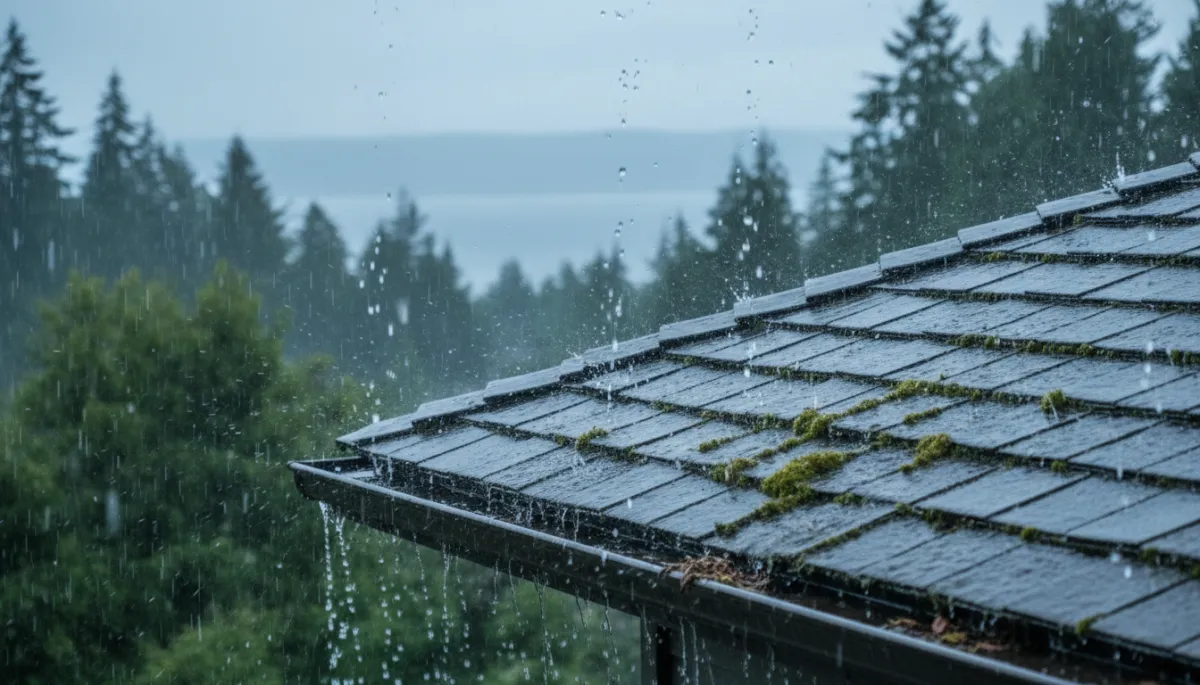
Protect Your Roof from Pacific Northwest Rain
Is your roof ready for the Pacific Northwest's relentless rain? Snohomish Roofing Company is Snohomish County's trusted local roofing expert. Call us today at (360) 913-2021 or visit https://snohomishroof.com to schedule your FREE roof inspection and protect your home before the next storm hits.
Roofing, Pacific Northwest Rain, Snohomish County
How Pacific Northwest Rain Affects Your Roof's Lifespan
Western Washington’s beauty comes with a cost—months of steady drizzle, heavy downpours, and lingering moisture. For homeowners in Snohomish County and the greater Puget Sound region, that rain is more than just a nuisance. It’s one of the biggest factors determining how long your roof will last and how well it protects your home.
In this guide, we’ll explain how Pacific Northwest rain affects your roof’s lifespan, what warning signs to watch for, and how proactive inspections and maintenance can prevent small moisture issues from turning into costly leaks or full roof replacements. As a local roofing contractor serving Snohomish County and surrounding Puget Sound communities, Snohomish Roofing Company understands exactly what your roof is up against—and how to keep it performing in our rainy climate.
The Pacific Northwest Climate and Your Roof
The Puget Sound area doesn’t usually see the extreme heat or hail that damage roofs in other parts of the country. Instead, our roofs battle something more subtle—persistent moisture. From October through April, Snohomish County often experiences near-constant damp conditions, with only short breaks between storms. Roofs rarely have a chance to dry completely, especially in shaded neighborhoods lined with tall evergreens or homes tucked into wooded ravines common across Western Washington.
Over time, this constant exposure to rain and humidity accelerates wear on shingles, underlayment, flashing, and gutters. Even a well-installed roof can have its lifespan shortened if it isn’t inspected regularly and maintained with our local climate in mind. Understanding the specific ways rain attacks your roofing system helps you make smarter decisions about repairs, replacement, and ongoing care.
Moss and Algae Growth: A Slow but Serious Threat
One of the most visible signs of our damp climate is moss and algae growth on roofs—especially on north-facing slopes or shaded areas under trees. In Snohomish, Everett, Lake Stevens, and other Puget Sound communities, it’s common to see green moss clumps or dark streaks on older roofs. Many homeowners assume it’s just cosmetic, but moss and algae can significantly shorten your roof’s lifespan if ignored.
Moss acts like a sponge. It absorbs and holds rainwater directly against your shingles, preventing them from drying out. This trapped moisture can:
- Lift and curl shingle edges, making it easier for water to work underneath.
- Break down the protective granule layer that shields asphalt shingles from UV and rain.
- Create tiny channels where water can follow gravity and seep into vulnerable areas.
Algae—often seen as black or dark green streaks—doesn’t hold water the same way moss does, but it still indicates a consistently damp surface. Over time, algae can stain and weaken shingles and make your roof more likely to attract moss growth. In our region, overhanging firs, cedars, and maples drop needles and debris that hold moisture and feed moss, compounding the issue.
Regular, gentle cleaning and professional moss treatment are essential in the Pacific Northwest. Aggressive pressure washing can actually damage shingles, so it’s important to work with a local roofer who understands safe methods for moss removal and prevention on Western Washington homes.
Saturated Underlayment: Hidden Damage Beneath the Shingles
Your roof’s underlayment is the secondary water barrier installed between the decking and the shingles. In heavy-rain climates like Snohomish County, quality underlayment is critical. When rain repeatedly works beneath aging or damaged shingles, the underlayment can become saturated—staying damp for long periods instead of shedding water quickly and drying out between storms.
Saturated underlayment leads to several problems:
- It loses strength and begins to deteriorate, reducing its ability to protect your roof deck from leaks.
- Persistent moisture can transfer into the wood decking, causing rot, warping, or mold growth in your attic.
- Nail holes and seams in older underlayment can widen, creating pathways for water intrusion during wind-driven rainstorms off Puget Sound.
Because underlayment is hidden, homeowners often don’t realize there’s a problem until stains appear on ceilings or insulation becomes damp. A professional roof inspection can identify early warning signs—such as soft spots in the decking, lifted shingles, or compromised flashing—before saturated underlayment turns into structural damage. When it’s time for a roof replacement, choosing modern, high-performance underlayment products engineered for wet climates is one of the best investments you can make for a longer-lasting roof in Western Washington.
Gutter Overflow: How Poor Drainage Shortens Roof Life
In the Pacific Northwest, gutters and downspouts are just as important as shingles when it comes to roof longevity. During heavy Snohomish County rainstorms, your gutters must move large volumes of water away from the roof edge and foundation. When they’re clogged with leaves, needles, and moss—or undersized for the roof area—they overflow. That overflow can dramatically shorten your roof’s lifespan and lead to costly repairs.
Gutter overflow allows water to:
- Back up under the first few rows of shingles, saturating the underlayment and roof deck at the eaves.
- Soak fascia boards, leading to rot and the need for carpentry repairs before a new roof can be installed.
- Spill over walkways, decks, and landscaping, creating slippery surfaces and potential foundation issues.
In many Puget Sound neighborhoods, mature trees shed needles and leaves throughout the rainy season, so gutters can plug quickly—sometimes within weeks. Regular cleaning, properly sized downspouts, and, when appropriate, quality gutter guards help ensure water flows where it should. During a professional roof inspection, a local contractor can evaluate how your gutter system is performing in real-world Western Washington storms and recommend upgrades that protect both your roof and your home’s exterior.
Shingle Degradation in a Rain-Heavy Climate
Asphalt shingles are designed to withstand years of weather, but constant exposure to rain, wind, and temperature swings eventually breaks them down. In the Pacific Northwest, shingles may not bake in extreme sun like they do in desert climates, yet they endure continual wet-dry cycles and wind-driven rain off Puget Sound that gradually degrade their protective features and shorten their service life.
Common signs of shingle degradation on Snohomish County homes include:
- Granule loss—those small, sand-like particles you see in gutters or at the base of downspouts. Granules protect the asphalt from UV and moisture; once they’re gone, the shingle ages rapidly.
- Curling or cupping edges, often worsened by moss growth and repeated wetting and drying.
- Cracked or brittle shingles that are more likely to break in windstorms or under foot traffic during maintenance.
Once shingles start to fail, they no longer shed water efficiently. Rain can slip beneath them, saturating the underlayment and eventually finding a path into your home. In Western Washington’s long rainy season, even a small area of compromised shingles can allow a surprising amount of water intrusion over time. That’s why a professional roofer may recommend partial or full roof replacement once shingle degradation reaches a certain point—repairs alone may not be enough to protect your home for the next decade of storms.
Moisture Intrusion: From Minor Leak to Major Problem
Moisture intrusion is the end result of many of the issues caused by Pacific Northwest rain—moss, saturated underlayment, gutter overflow, and shingle wear. Because our storms are frequent and often gentle rather than dramatic, leaks can start small and go unnoticed for months or even years. By the time you see a water stain on your ceiling, the problem behind it may already be extensive!
In Snohomish County homes, common entry points for moisture include:
- Valleys where two roof planes meet, which collect large amounts of water during heavy rain.
- Around chimneys, skylights, and vents where flashing may be aged, improperly installed, or damaged by movement and weather.
- Along eaves and rakes where wind-driven rain can push water under lifted shingles or damaged drip edge.
Once moisture reaches your attic or wall cavities, it can lead to mold growth, insulation damage, and wood rot. These issues don’t just affect your roof—they impact indoor air quality, energy efficiency, and the structural integrity of your home. In our cool, damp climate, materials take longer to dry, so leaks that might evaporate quickly in a drier region can linger and spread in the Puget Sound area. Prompt leak detection and repair are essential to containing the damage and preserving your roof’s lifespan.
Proactive Maintenance for Longer Roof Life in Snohomish County
The good news—Pacific Northwest rain does not have to ruin your roof ahead of schedule. With proactive maintenance tailored to Western Washington’s climate, you can significantly extend the service life of your roofing system and avoid emergency repairs during the worst storms of the year. A local, experienced contractor like Snohomish Roofing Company can help you create a maintenance plan that fits your roof type, neighborhood, and budget.
Key maintenance steps include:
- Annual or biannual roof inspections—ideally before and after the heaviest rainy months—to catch small issues early.
- Professional moss and algae treatment, using methods and products safe for your shingles and landscaping.
- Regular gutter cleaning and evaluation of drainage to prevent overflow and water backup at the eaves.
- Timely repairs to damaged shingles, flashing, and vent boots before they allow long-term moisture intrusion.
When your roof approaches the end of its expected lifespan, a transparent, professional roof replacement estimate will help you budget and choose the right materials. Modern roofing products designed for high-moisture environments—combined with proper ventilation and installation practices—can provide decades of reliable protection in the Puget Sound climate. Working with a Snohomish County roofing specialist ensures your new roof is built with local weather patterns, building codes, and neighborhood conditions in mind.
Local Expertise Matters in the Pacific Northwest
Not every roofing contractor understands the unique demands of Western Washington’s rainy climate. Roof systems that perform well in drier regions may fall short when exposed to months of drizzle, moss growth, and wind-driven storms off the Sound. That’s why partnering with a local company that works on Snohomish County roofs every day is so important for protecting your investment and extending your roof’s lifespan.
A trusted local roofer will:
- Recommend materials that stand up to frequent rain, moss, and algae common in the Puget Sound region.
- Understand how neighborhood tree cover, roof pitch, and home design affect drainage and drying times.
- Provide clear, transparent pricing for repairs and replacements so you can plan confidently—no surprises when the work is done.
Whether you live in Snohomish, Monroe, Mill Creek, or anywhere across Snohomish County, your roof is on the front line against Pacific Northwest rain. With knowledgeable guidance and regular care, you can keep it performing well, season after season.
Protect Your Roof Before the Next Storm
Pacific Northwest rain is relentless—but with the right roofing partner, it doesn’t have to be devastating. From moss and algae growth to saturated underlayment, gutter overflow, shingle degradation, and hidden moisture intrusion, every part of your roof is affected by our wet climate. The sooner these issues are identified and addressed, the longer your roof will last and the better it will protect your home and family.
Don’t let Pacific Northwest rain shorten the life of your roof. Contact Snohomish Roofing Company today — call (360) 913-2021 or visit https://snohomishroof.com. Our Snohomish County team is ready to inspect, repair, or replace your roof with materials built to handle our rainy climate. Get your free estimate today!
SEO Title: How Pacific Northwest Rain Affects Your Roof's Lifespan | Snohomish Roofing Company
Meta Description: Learn how heavy Pacific Northwest rain impacts your roof’s lifespan in Snohomish County and the Puget Sound region—moss growth, saturated underlayment, gutter overflow, shingle wear, and moisture intrusion—plus expert tips from Snohomish Roofing Company to protect your home.
Focus Keywords: Pacific Northwest rain roof lifespan, Snohomish County roofing, Puget Sound roof moss, Western Washington roof replacement, gutter overflow damage