Impact-Resistant Shingles in Snohomish County
Roofing, Impact-Resistant Shingles, Snohomish County, Pacific Northwest
Impact-Resistant Shingles: Worth the Investment in the PNW?
When Pacific Northwest storms bring hail, flying debris, and high winds, impact-resistant shingles can be the difference between a damaged roof and a protected home. Snohomish Roofing Company installs Class 4 impact-resistant shingles throughout Snohomish County. Call (360) 913-2021 or visit https://snohomishroof.com for a FREE roofing consultation today.
What Are Impact-Resistant Shingles?
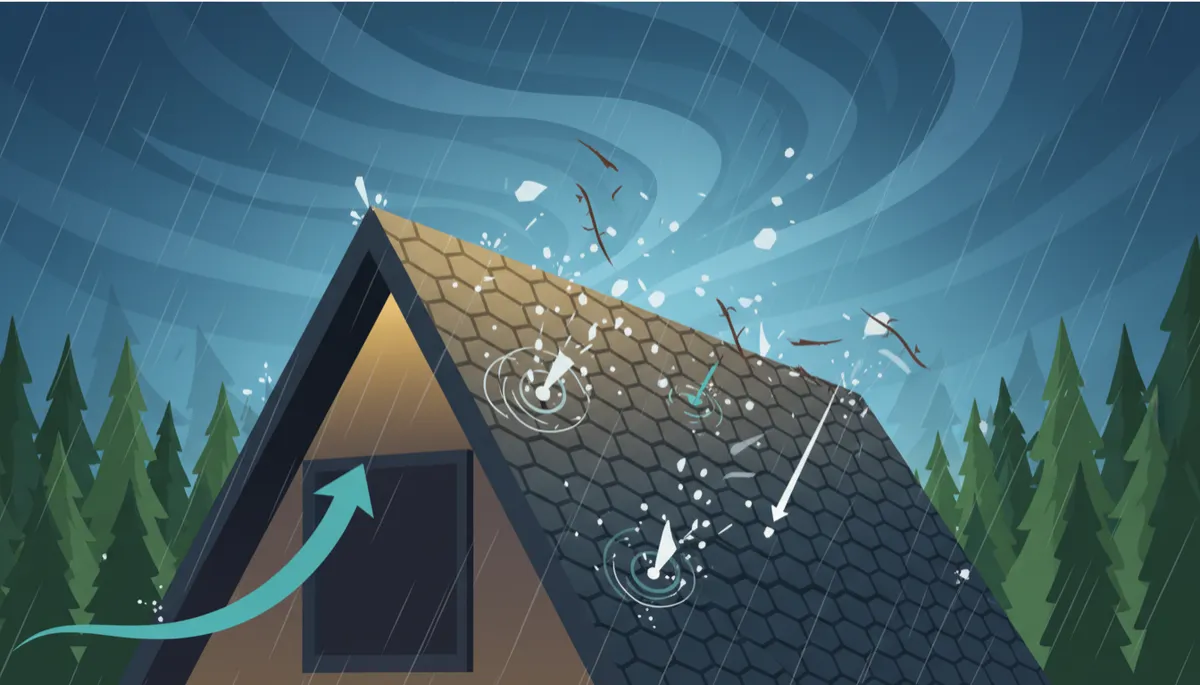
Impact-resistant shingles are asphalt shingles engineered to withstand stronger blows from hail and debris than standard roofing products. While they look similar to typical architectural shingles from the street, they are manufactured with tougher materials, reinforced mats, and advanced bonding that help them absorb and disperse impact energy rather than crack, split, or lose large amounts of protective granules. For homeowners in Snohomish County and the greater Puget Sound area, that extra durability can make a significant difference during a severe winter storm or wind event when branches, cones, and other debris are hitting the roof repeatedly. Impact resistance does not make a roof indestructible, but it raises the threshold at which real damage occurs, often preventing leaks and extending the life of the roofing system.
Understanding UL 2218 Class Ratings (1–4)
To compare the durability of different shingles, manufacturers rely on a standardized test called UL 2218, the industry benchmark for impact resistance. Under UL 2218, steel balls of specific sizes are dropped from set heights onto new roofing materials installed over a test deck. Inspectors then check for cracks, splits, or ruptures in the shingle surface and backing. Based on how well the product holds up, it receives a Class rating from 1 to 4, with Class 4 being the highest impact-resistance level currently used in residential roofing. Class 1 products withstand the smallest test impacts, while Class 2 and Class 3 represent progressively tougher performance. Only shingles that pass the most demanding portion of the test earn the Class 4 label, which is why many insurers and building professionals treat it as the gold standard for impact-resistant asphalt shingles.
What Class 4 Means in Everyday Practice
In UL 2218 testing, a Class 4 shingle must withstand a two‑inch steel ball dropped from twenty feet without cracking the shingle surface or exposing the fiberglass or polymer mat below. In practical terms, that means Class 4 shingles are designed to resist substantial hail and repeated strikes from wind‑driven debris better than standard products. For Snohomish County homeowners, the most common threats are not giant Midwestern hailstones but smaller hail, fir and cedar cones, and broken branches blown off trees during windstorms. Class 4 shingles will not prevent every cosmetic mark, but they are significantly less likely to suffer functional damage that leads to leaks, premature granule loss, or the need for early replacement. Over a 20–30 year roof life, that added protection can translate into fewer emergency repairs, fewer insurance claims, and a roof that stays structurally sound even after multiple severe weather seasons.
Cost Premium Over Standard Architectural Shingles
Any upgrade must make financial sense, so cost is a key question. In Washington State, fully installed architectural asphalt shingles typically run around $4.50 to $7.00 per square foot, including tear‑off, underlayment, and standard flashing. For a typical 2,000‑square‑foot roof, that equates to roughly $9,000 to $14,000 installed. Class 4 impact-resistant shingles add a premium of about $1.00 to $2.50 per square foot, or roughly 10–25% more than standard architectural shingles, according to recent regional pricing data. That means most Snohomish County homeowners can expect a total installed cost of approximately $10,500 to $17,500 for a 2,000‑square‑foot roof, representing an additional $1,500 to $3,500 compared with a non‑impact‑rated system. Actual pricing depends on roof complexity, access, brand selection, and local labor conditions, but this range provides a realistic planning benchmark for budgeting purposes.
Insurance Discounts in Washington State: What to Expect
In many hail‑prone states, Class 4 shingles can qualify homeowners for sizeable insurance discounts, sometimes 10–35% off the wind and hail portion of their premium. However, current industry summaries and insurer guides do not list Washington State among the regions with consistent, statewide incentives tied to UL 2218 Class 4 roofing. As of 2026, there is no widely recognized Washington‑specific discount program for impact‑resistant shingles, and homeowners in Snohomish County should not assume that installing Class 4 products will automatically reduce their premiums. Some individual carriers may offer modest incentives, while others may not provide any discount at all. The only reliable approach is to contact your insurance agent directly, ask whether they offer a Class 4 shingle credit in your ZIP code, and request written confirmation of any savings and requirements. Even without a guaranteed discount, many homeowners still find that reduced repair frequency and extended roof life justify the upgrade on their own.
Performance in Pacific Northwest Conditions
The Pacific Northwest presents a different set of roofing challenges than the central “hail belt” states. Around Snohomish County and the Puget Sound region, roofs must endure long periods of moisture, moss and algae growth, moderate but gusty winds, and occasional hail and ice events. Impact-resistant shingles are particularly valuable when strong winds turn nearby trees into sources of debris. Fir and cedar branches, cones, and small limbs can strike the roof repeatedly during a storm. Class 4 shingles are built to flex and absorb these blows, reducing the risk of cracks or punctures that might otherwise go unnoticed until water finds its way into the attic or wall cavities. While major hailstorms are less frequent here than in the Midwest, they do occur, and when they do, impact-resistant products offer a meaningful layer of protection against functional damage. Many Class 4 shingles also pair impact resistance with enhanced wind ratings and improved adhesive strips, helping them stay in place when gusts funnel up local valleys or across exposed hilltops overlooking Puget Sound.
Longevity and Long-Term Value
One of the biggest advantages of impact-resistant shingles is their potential to extend the useful life of your roof. Every time a shingle is cracked by a branch or loses a large patch of granules from hail, its ability to shed water and resist UV damage is reduced. Over time, that cumulative wear can shorten the roof’s service life by several years. Because Class 4 shingles are designed to withstand more severe impacts without structural failure, they typically maintain their protective qualities longer. In a climate like Snohomish County’s, where roofs are already under constant attack from moisture, algae, and freeze‑thaw cycles, reducing mechanical damage is especially important. Many impact‑resistant products also come with strong manufacturer warranties when installed by certified contractors, which can add peace of mind. While no roofing material lasts forever, the combination of better impact performance, improved wind resistance, and robust warranties often makes Class 4 systems a cost‑effective investment over the full life of the roof, particularly for homeowners who plan to stay in their homes for a decade or more.
Top Impact-Resistant Shingle Brands in the Pacific Northwest
Snohomish Roofing Company works with leading manufacturers whose Class 4 products have proven performance in the Pacific Northwest. Popular options include Atlas StormMaster Slate, which combines Class 4 impact resistance with Scotchgard algae protection and a high 130‑mph wind rating. This line offers a refined slate‑like appearance that fits well with many Snohomish County neighborhoods while standing up to our damp climate. GAF Timberline ArmorShield II is another strong contender, pairing a UL 2218 Class 4 rating with advanced LayerLock technology and a robust wind warranty when installed by qualified contractors. Owens Corning Duration FLEX and Duration Storm use polymer‑modified asphalt and the company’s SureNail nailing strip to deliver excellent adhesion and impact performance—features that matter on steep or exposed roofs. CertainTeed Landmark IR offers Class 4 protection backed by a respected SureStart warranty program, appealing to homeowners who prioritize long‑term coverage. Other competitive options, such as IKO Dynasty and Atlas Pinnacle Pristine, provide Class 4 performance with wide nailing zones and algae‑resistant features. The best choice for your home depends on roof design, budget, aesthetic goals, and warranty preferences, which is why a professional evaluation is essential.
Are Impact-Resistant Shingles Worth It for Snohomish County Homeowners?
Whether impact-resistant shingles are “worth it” ultimately depends on your property, your budget, and how long you plan to own your home. In general, Snohomish Roofing Company does recommend Class 4 shingles for many Snohomish County and Puget Sound homeowners, particularly those with tree‑covered lots, exposed ridgelines, or a history of storm‑related roof issues. The premium of roughly 10–25% over standard architectural shingles is a meaningful upfront cost, but it is often offset by fewer repairs, less risk of emergency leaks, and a longer service life. Even if your insurer does not offer a discount, avoiding just one major storm‑damage claim or interior water incident can preserve thousands of dollars in value. Impact-resistant products also add a subtle but real selling point if you decide to move; buyers increasingly look for durable, low‑maintenance features, especially in our climate. For homeowners on a tighter budget, Snohomish Roofing Company can explain where impact‑resistant shingles provide the most benefit—such as complex roofs with vulnerable valleys or homes directly under large trees—so you can make an informed decision rather than a purely price‑driven one.
How Snohomish Roofing Company Helps You Choose the Right System
Selecting the right impact-resistant shingle is not just about picking a brand name from a list. It requires an understanding of roof pitch, ventilation, existing deck condition, and site‑specific exposure to wind, trees, and moisture. Snohomish Roofing Company begins with a detailed roof inspection, looking for current weaknesses, signs of past impact damage, and areas that may be more vulnerable in future storms. We then discuss your goals—whether that is maximizing longevity, improving curb appeal, or balancing performance with a strict budget—and present appropriate Class 4 options from trusted manufacturers. Because we work throughout Snohomish County and the Puget Sound region, we have direct experience with how different products perform on real homes over time in this climate. Our team can also provide documentation of UL 2218 Class 4 ratings and installation details that your insurer may request if they offer any impact‑resistant roof incentives. The result is a roofing solution tailored to your property rather than a one‑size‑fits‑all recommendation.
Final Thoughts: Is the Investment Right for You?
For many Snohomish County homeowners, the decision to install impact-resistant shingles comes down to balancing a modest upfront premium against years of improved protection. If your home is surrounded by tall evergreens, has a complex roofline, or has already experienced storm‑related roof damage, Class 4 shingles deserve serious consideration. Even in neighborhoods with fewer trees, the added resilience against hail, wind‑driven debris, and long‑term wear can provide peace of mind in a region where wet, stormy winters are the norm. While Washington does not currently offer broad, standardized insurance discounts for impact‑resistant roofs, the practical benefits—fewer repairs, reduced risk of leaks, and potentially longer roof life—often make the upgrade a sound investment, especially for homeowners planning to stay in their property for many years. Impact-resistant shingles are one of the smartest roofing investments for Snohomish County homeowners. Snohomish Roofing Company can assess your home and recommend the right product. Call (360) 913-2021 or visit https://snohomishroof.com.