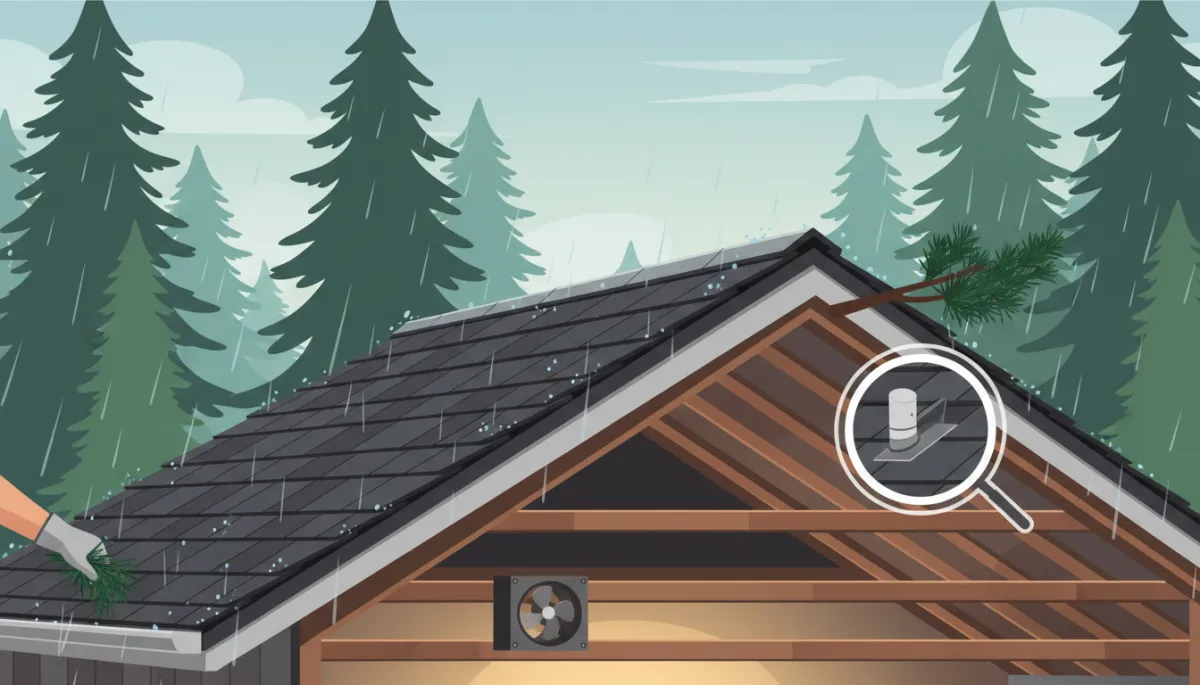
Extend Your Roof's Life in the Pacific Northwest
Home Improvement, Roofing, Pacific Northwest
Proven Tips to Extend Your Roof's Life in the Pacific Northwest
Your roof is one of the biggest investments in your home — and with the right care, it can serve you for decades in the Pacific Northwest's demanding climate. Snohomish Roofing Company helps Snohomish County homeowners maximize every year of their roof's life. Call (360) 913-2021 or visit https://snohomishroof.com for a FREE maintenance inspection today.
Living in Snohomish County and the greater Puget Sound area means enjoying lush evergreens, cool summers, and mild winters — but it also means your roof is constantly battling moisture, moss, and debris. The Pacific Northwest climate is beautiful, yet unforgiving to roofing systems. Consistent rain, heavy needle and leaf fall, and occasional wind or snow events all shorten a roof’s life if it is not maintained properly. The good news is that a thoughtful maintenance plan can dramatically extend the lifespan of your roof and help you avoid costly leaks and premature replacement.
Below are proven, practical steps Snohomish County homeowners can take to protect their roofs. These tips apply whether you own a single-family home in Snohomish or a bungalow in Everett, and whether your roof is newer or approaching the end of its expected life. When combined with professional support from a qualified roofing contractor, these habits can add years of performance and peace of mind.
1. Schedule Annual Professional Roof Inspections
An annual professional inspection is one of the most effective ways to extend your roof’s life in the Pacific Northwest. While homeowners can spot obvious problems from the ground, a trained roofing specialist knows how to identify subtle warning signs that often go unnoticed until they become expensive repairs. In Snohomish County’s damp climate, small issues can escalate quickly as water finds its way under shingles and into the roof structure.
During an annual inspection, a reputable company like Snohomish Roofing Company will assess shingles or other roofing materials for wear, check flashings and penetrations, evaluate gutters and downspouts, and look for signs of trapped moisture or ventilation problems. Catching a lifted shingle, cracked sealant, or soft spot early often means a simple, low-cost repair instead of structural damage or interior leaks months later. For most homes, scheduling this inspection once a year — ideally in the dry season — is a smart, preventative investment.
2. Clean Gutters Twice a Year for Needle and Leaf Fall
In the Pacific Northwest, clogged gutters are one of the most common and preventable causes of roof and siding damage. Evergreen needles, maple leaves, and other debris quickly accumulate in gutters, especially in wooded neighborhoods and rural properties throughout Snohomish County. When gutters fill up, water backs up under the roof edge, overflows down exterior walls, and can seep into the fascia and soffits, causing rot and mold growth over time.
To protect your roof, plan on cleaning your gutters at least twice a year: once in late fall after the majority of leaf and needle drop, and again in late spring after winter storms have passed. Some homes surrounded by tall firs or cedars may need more frequent service. Ensure downspouts are clear and directing water well away from your foundation. If climbing ladders is a concern, consider hiring a professional or asking your roofing contractor to include gutter maintenance as part of an ongoing service plan. Clean, free-flowing gutters allow water to leave your roof quickly, reducing the risk of leaks and ice dams in colder snaps.
3. Prevent Moss and Algae with Proper Treatments and Zinc Strips
Moss and algae thrive in the cool, damp conditions that define the Puget Sound region. North-facing roof slopes and shaded areas under trees are especially vulnerable. While a light dusting of moss may look harmless, over time moss holds moisture against the roofing surface, pries up shingles, and accelerates granule loss. Algae streaks, while often more cosmetic, can also indicate prolonged moisture on the roof surface and contribute to deterioration if ignored.
The safest and most effective approach is prevention. Professional moss and algae treatments, applied with the right products and techniques, stop growth before it becomes established. Zinc or other metal strips installed near the ridge can also help inhibit moss and algae over time, as rainwater washes trace amounts of metal down the roof. It is important to avoid harsh pressure washing, which can strip protective granules from asphalt shingles and shorten their life. Working with a local roofing expert ensures the correct treatment is used for your specific roof type and that the process does not void manufacturer warranties.
4. Trim Overhanging Branches and Manage Nearby Trees
Trees are part of what makes Snohomish County neighborhoods so attractive, but branches hanging directly over your roof can cause significant wear. During windstorms, branches scrape against roofing materials, loosening shingles and removing protective granules. Overhanging limbs also drop needles, leaves, and small branches that trap moisture and feed moss growth. In severe weather, large limbs can break and fall, causing immediate structural damage to the roof and even the interior of your home.
Regularly trimming back trees so that branches are not touching or directly hanging over the roof is a simple way to reduce this risk. For large or high branches, it is wise to hire a qualified arborist to avoid personal injury or accidental damage to the roof. Maintaining a reasonable clearance not only protects the roofing system but also allows more sunlight and airflow across the roof surface, helping it dry out faster after rain and reducing moss-friendly conditions.
5. Check Attic Ventilation and Insulation Regularly
Many roof problems actually begin inside the attic. Proper ventilation and insulation are essential to the health of your roofing system, especially in the Pacific Northwest where temperature swings and humidity are common. Without adequate ventilation, warm, moist air from daily activities such as cooking, showering, and laundry can become trapped in the attic. Over time, this moisture condenses on the underside of the roof deck, leading to mold, mildew, and premature wood rot. In winter, poor ventilation can also contribute to ice dams along the eaves when snow is present, even in our relatively mild climate.
Periodically inspect your attic, or have a professional do so, to ensure vents are unobstructed and insulation is evenly distributed and dry. Look for signs of moisture, such as dark staining on wood, rusted nails, or a musty odor. Upgrading or correcting attic ventilation and insulation not only helps extend the life of your roof but can also improve energy efficiency and comfort in your home. During an inspection, Snohomish Roofing Company can evaluate your attic conditions and recommend practical improvements tailored to your specific house design and roof type.
6. Repair Minor Damage Promptly Before It Spreads
In a wet climate, even small areas of damage can quickly lead to bigger problems. A single missing shingle, a small puncture from a fallen branch, or a slightly separated seam around a vent can allow water to penetrate the roof system. Because much of this damage is hidden beneath the roofing surface, homeowners often do not realize there is an issue until they see stains on interior ceilings or walls — by then, repairs are more extensive and expensive.
Addressing minor issues as soon as they are discovered is one of the simplest ways to add years to your roof’s life. If you notice loose or curling shingles, shingle granules collecting in gutters, or any visible damage after a wind or hail event, contact a professional roofer promptly. A quick repair visit to replace a few shingles, reseal a penetration, or reinforce a weak area is far more cost-effective than waiting until water intrusion leads to structural decay, insulation damage, or mold remediation inside the home. Regular inspections, combined with timely repairs, keep small problems from becoming major headaches.
7. Keep the Roof Surface Clear of Debris
Needles, leaves, branches, and other debris collect quickly on roofs in the Pacific Northwest, particularly in the fall and after storms. When debris is left in place, it traps moisture against the roofing materials, encourages moss and algae growth, and can block valleys and roof drains. Water that cannot flow freely will find alternative paths, often under shingles or into roof penetrations, increasing the likelihood of leaks and rot over time.
Periodic light cleaning of the roof surface helps prevent these issues. Homeowners should avoid walking on the roof whenever possible, as this can damage shingles and is a safety risk. Instead, use tools from the ground such as a roof rake or blower where appropriate, or hire a professional crew trained to work safely at heights. The goal is to gently remove loose debris without damaging the roofing material. Keeping valleys, ridges, and low-slope areas clear allows water to drain properly and reduces moisture-related wear, particularly important in our long rainy season.
8. Reseal Flashings Around Chimneys, Vents, and Skylights
Flashings are the metal components that seal the edges and intersections where your roof meets chimneys, vent pipes, skylights, and walls. Because these areas involve multiple materials and moving parts, they are especially vulnerable to leaks. In the Pacific Northwest, constant cycles of moisture, temperature changes, and UV exposure gradually break down sealants and corrode metal surfaces. Over time, gaps can form that allow water to enter, even if the surrounding shingles are in good condition.
Regularly resealing and maintaining flashings is critical for extending your roof’s service life. During annual inspections, a qualified roofer will examine these areas closely, checking for cracked caulking, loose fasteners, rust, or misaligned metal. Proactive resealing with high-quality products, and replacing deteriorated flashings when necessary, keeps water out of vulnerable joints and intersections. Because these details can be difficult to evaluate from the ground, partnering with a professional roofing company is the safest and most reliable way to ensure your flashings continue to perform in Snohomish County’s wet climate.
9. Choose Durable Materials When It Is Time to Re-Roof
Even the best-maintained roof will eventually reach the end of its useful life. When that time comes, the materials and installation methods you choose will determine how well your new roof stands up to the Pacific Northwest environment. Not all roofing products are created equal, and options that perform well in drier or hotter climates may not be ideal for Snohomish County’s mix of rain, wind, and occasional snow or ice. Selecting durable, climate-appropriate materials is an investment that pays off in fewer repairs and a longer service life.
Work with a local contractor who understands regional weather patterns and manufacturer specifications. For example, high-quality architectural asphalt shingles with strong wind ratings and algae-resistant features can provide excellent performance for many homeowners. In some cases, metal roofing or other premium materials might be recommended for added longevity, especially on low-slope sections or in heavily wooded settings. Proper underlayment, flashing details, and ventilation are just as important as the visible roofing layer. Snohomish Roofing Company can help you evaluate your options, balance budget and durability, and design a roofing system that is built to handle years of Pacific Northwest weather with minimal maintenance.
Create a Simple Maintenance Plan for Long-Term Protection
Extending your roof’s life does not require complicated routines, but it does require consistency. For homeowners in Snohomish County and the surrounding Puget Sound communities, a straightforward maintenance plan might include an annual professional inspection, spring and fall gutter cleaning, occasional roof surface debris removal, and prompt attention to any visible damage after storms. Adding periodic moss and algae treatment, tree trimming, and attic checks rounds out a proactive strategy that protects both your roof and the interior of your home.
Partnering with a trusted local roofing company makes it easier to stay on top of these tasks. Many homeowners appreciate having a professional set reminders, document the condition of their roof over time, and provide clear recommendations when repairs or replacement are warranted. This approach not only preserves your investment but also offers peace of mind, knowing your home is prepared for the next round of Pacific Northwest rainstorms.
Final Thoughts: Protecting Your Roof in the Pacific Northwest
Your roof works hard every day to shield your family and your belongings from the elements. In a moisture-rich region like the Pacific Northwest, ignoring small issues or delaying routine care can quickly shorten its lifespan. By committing to regular inspections, keeping gutters and roof surfaces clear, controlling moss and overhanging trees, maintaining attic conditions, and addressing repairs promptly, you give your roof the best chance to perform reliably for decades. When replacement is eventually necessary, choosing durable, climate-appropriate materials installed by experienced professionals sets the stage for another long service life.
The best investment you can make in your roof is regular professional maintenance. Snohomish Roofing Company provides expert roof care for homeowners throughout Snohomish County and the Puget Sound area. Call (360) 913-2021 or visit https://snohomishroof.com — schedule your free inspection today.
Meta Title: Proven Tips to Extend Your Roof's Life in the Pacific Northwest | Snohomish Roofing Company
Meta Description: Learn practical, professional tips to extend your roof’s life in Snohomish County and the Pacific Northwest, including inspections, gutter cleaning, moss prevention, ventilation, and more from Snohomish Roofing Company.
Meta Keywords: Snohomish roofing, roof maintenance Pacific Northwest, extend roof life, gutter cleaning Snohomish County, moss removal roof, roof inspection Snohomish, Puget Sound roofing tips