Eco-Friendly Roofing Options in Washington
Roofing, Sustainability, Green Building, Washington State
Green Roofing Options for Environmentally-Conscious Washington Homeowners
Washington homeowners care deeply about sustainability — and your roof is one of the biggest environmental decisions you'll make for your home. Snohomish Roofing Company helps Snohomish County homeowners choose eco-friendly roofing that performs in our Pacific Northwest climate. Call (360) 913-2021 or visit https://snohomishroof.com for a FREE green roofing consultation.
In the Puget Sound region, your roof does much more than keep the rain out. It influences your home’s carbon footprint, energy use, stormwater runoff, and even local salmon habitat. As building codes tighten and sustainable materials become mainstream, environmentally-conscious homeowners in Snohomish County have more green roofing options than ever before — from recycled shingles to living roofs and solar-ready assemblies that anticipate future energy upgrades.
Recycled-Content Asphalt Shingles: A Greener Take on a Familiar Roof
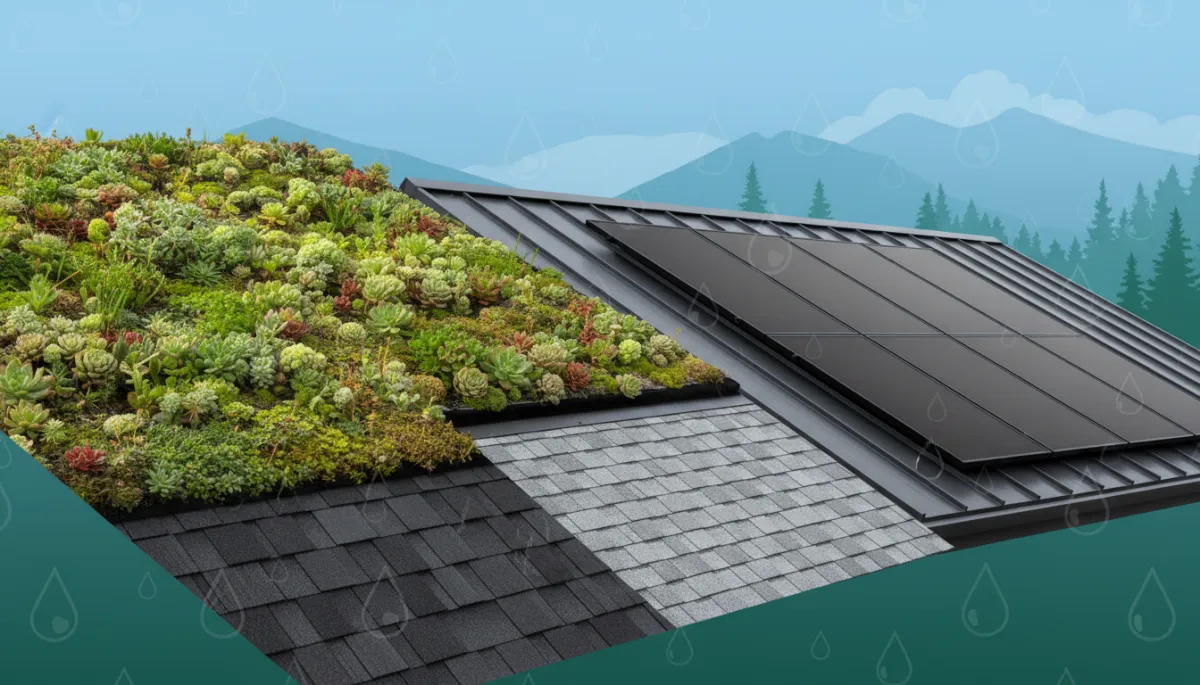
Many Washington homes still rely on asphalt shingles, and for good reason: they are cost-effective, versatile, and proven in our wet, moss-prone climate. For homeowners looking to reduce environmental impact without changing the look of their neighborhood, recycled-content shingles are an excellent starting point. These shingles often incorporate post-consumer or post-industrial materials in the mat or granules, reducing demand for virgin resources and lowering lifecycle emissions compared to traditional products, as reflected in recent sustainable roofing market analyses.
Modern architectural shingles with recycled content typically offer lifespans in the 20–30 year range, comparable to conventional products. When paired with proper attic ventilation, underlayments, and professional installation, they can withstand wind, heavy rainfall, and freeze–thaw cycles common in the Cascade foothills. For eco-conscious Snohomish County homeowners on a budget, this option delivers a meaningful sustainability upgrade while staying within familiar materials and installation practices.
Metal Roofing: Durable, Energy-Efficient, and Fully Recyclable
Standing-seam and metal panel roofs are among the most sustainable roofing systems available today. Industry data shows that quality metal roofing often contains between 25% and 95% recycled content and is 100% recyclable at the end of its service life. With typical lifespans of 40–70 years, metal significantly outperforms standard asphalt in durability, which greatly reduces waste over time and improves the roof’s lifecycle carbon profile compared to short-lived alternatives.
In the Pacific Northwest, metal roofing’s slick surface sheds rain, snow, and organic debris efficiently, helping keep gutters clearer and reducing moss growth. When finished in light or reflective colors, metal also functions as a cool roof, reflecting more solar radiation and reducing heat gain during our increasingly hot summer heat waves. For homeowners considering future solar, standing-seam metal is particularly attractive because solar panels can be attached with clamp systems that avoid penetrating the roofing surface, preserving weather-tightness while simplifying installation and eventual panel replacement.
Composite Shake from Recycled Materials: Cedar Look, Smaller Footprint
Many Snohomish County neighborhoods feature traditional cedar shake roofs that complement the region’s forested setting. However, natural cedar can raise concerns around resource use, fire resistance, and long-term durability in a wet climate. Composite shake made from recycled rubber or plastics offers a compelling alternative that preserves the Northwest aesthetic while improving sustainability performance. Some leading products use 90–100% recycled content, diverting material such as tires or plastic from landfills, according to recent sustainable roofing comparisons.
These synthetic shakes are engineered to mimic the texture and shadow lines of real cedar while providing enhanced impact resistance, dimensional stability, and fire ratings. Their long service lives — often 30–50 years when installed correctly — mean fewer tear-offs and reduced material consumption over the life of your home. For environmentally-conscious homeowners in wooded areas or wildland–urban interface zones, composite shake can also contribute to a more resilient, fire-aware building envelope when paired with appropriate underlayments and defensible space strategies.
Living Green Roofs: Sedum and Native Plantings for Stormwater and Habitat
For homeowners seeking the most visible expression of sustainability, a living or green roof can transform part of your home into functional landscape. Extensive green roofs typically use a shallow growing medium (about 2–6 inches) planted with hardy species such as sedum, creeping phlox, or other drought-tolerant perennials suited to our climate. Research from regional extension services highlights that these systems include a waterproof membrane, drainage layer, engineered lightweight soil, and carefully selected plants to balance weight, water retention, and low maintenance requirements.
In the Puget Sound watershed, green roofs offer particular value for stormwater management. Instead of sending every rainfall directly into gutters, downspouts, and ultimately local streams, vegetated roofs capture and slow runoff, allowing water to be absorbed, used by plants, and evaporated. This helps reduce peak flows that contribute to streambank erosion, combined sewer overflows, and habitat degradation for salmon and other aquatic species. Some Washington jurisdictions and utility programs recognize these benefits with stormwater credits or incentives, especially when green roofs are integrated into a broader low-impact development strategy, as noted in statewide green stormwater guidance.
Cool Roofs and Reflective Coatings for a Warming Climate
While Western Washington is known for cool, cloudy weather, climate data shows increasingly frequent summer heat waves. Cool roofs and reflective coatings are becoming more relevant for comfort and energy savings, even in the Puget Sound region. A cool roof uses light-colored or specially formulated reflective surfaces to reduce heat absorption. On low-slope roofs, elastomeric or acrylic coatings can be applied over existing membranes or metal to improve solar reflectance and extend the roof’s service life, reducing both cooling loads and material turnover, a trend widely noted in national roofing industry reports.
For sloped roofs, homeowners can select lighter-colored shingles, reflective metal finishes, or composite products designed to meet cool roof performance criteria. In addition to improving interior comfort, especially in homes without air conditioning, cool roofs can contribute to reduced urban heat island effects in denser Snohomish County communities. When combined with proper attic insulation and air sealing, they form a strong foundation for meeting or exceeding Washington State Energy Code performance expectations for building envelopes.
Solar-Ready Roofing: Planning Today for Tomorrow’s PV System
Even if you are not prepared to install solar panels immediately, it is wise to make your new roof solar-ready. The current 2021 Washington State Energy Code, in effect as of 2026, includes solar readiness provisions for many new buildings, requiring that a portion of the roof be reserved and designed to accommodate future photovoltaic systems. While these rules apply most directly to larger or newly constructed buildings, they signal a broader policy direction toward distributed renewable energy across the state, according to the Washington State Building Code Council’s published guidance.
From a homeowner’s perspective, solar-ready design means considering roof orientation, minimizing shading from nearby trees or structures, choosing roofing materials compatible with common PV mounting systems, and ensuring the underlying structure can support additional loads. Standing-seam metal, high-quality asphalt shingles, and many composite products all pair effectively with rooftop solar when installed with this future use in mind. Snohomish Roofing Company can coordinate with your solar contractor or help you plan for a phased approach, so you avoid removing a relatively new roof when you decide to add panels later.
Washington State Energy Code and Emerging Green Roof Policies
As of mid-2026, the 2021 Washington State Energy Code remains in force, with work underway on the 2024 code cycle. The current code emphasizes envelope efficiency, air sealing, and solar readiness but does not mandate green roofs for typical single-family homes. However, recent legislation, such as Senate Bill 5732, points toward future requirements for certain large commercial and multifamily buildings to combine solar and green roofing over a significant portion of roof area, with detailed rules still in development. Information from the State Building Code Council indicates that these changes are likely to be incorporated into upcoming code updates with effective dates later in the decade.
For Snohomish County homeowners, the practical takeaway is that choosing energy-efficient, solar-ready, and stormwater-conscious roofing today will keep your property aligned with the broader direction of Washington policy. Selecting materials with documented environmental attributes, such as ENERGY STAR or third-party sustainability certifications, also supports compliance with state-level green purchasing priorities, which discourage materials like PVC and coal-tar pitch in favor of more environmentally responsible alternatives. Snohomish Roofing Company stays current on these evolving requirements to help you make informed, future-proof choices for your home.
Stormwater Management and the Puget Sound Watershed
Every drop of rain that falls on your roof eventually makes its way to local creeks, rivers, and Puget Sound. Traditional roofs rapidly shed water into downspouts and storm drains, contributing to high peak flows that can carry pollutants, scour streambeds, and overwhelm aging infrastructure. Green roofs, cool roofs that reduce thermal stress on membranes, and carefully designed gutter and downspout systems all play a role in low-impact development strategies that protect our watershed, as recognized in regional stormwater management guidance and incentive programs in cities like Seattle and nearby jurisdictions.
By integrating vegetated roof areas, directing downspouts to rain gardens or cisterns, and selecting roofing materials that minimize the release of harmful chemicals, homeowners can meaningfully reduce their property’s impact on local waterways. These measures are especially important in salmon-bearing basins and areas with combined sewer systems, where heavy storms can trigger combined sewer overflows. Snohomish Roofing Company can coordinate your roof design with broader site drainage and landscaping strategies recommended by your civil engineer, landscape designer, or local jurisdiction to support a holistic stormwater approach that benefits Puget Sound.
LEED and Green Building Considerations for Residential Projects
While formal LEED certification is more common for commercial and multifamily projects, many sustainability-minded homeowners use LEED principles as a framework for decision-making. Roofing can contribute to several LEED credit categories, including Heat Island Reduction, Rainwater Management, Energy Performance, and Materials and Resources. For example, installing a high-reflectance, high-emittance roof or a vegetated roof can support heat island reduction credits, while green roofs and well-designed drainage can assist with rainwater management objectives, as outlined in LEED reference guides and case studies of certified projects in the Pacific Northwest.
Material selection also matters. Choosing products with recycled content, verified environmental product declarations, or third-party sustainability labels aligns with LEED’s emphasis on responsible sourcing and lifecycle transparency. Even if you do not pursue formal certification, working with a roofing contractor familiar with LEED concepts ensures that your roof’s design, color, and material palette all contribute to a coherent green building strategy rather than functioning as isolated upgrades. Snohomish Roofing Company can collaborate with your architect or green building consultant to ensure your roofing package supports your broader performance and certification goals.
Longevity as Sustainability: Why Service Life Matters Most
When evaluating green roofing options, it is easy to focus only on recycled content or visible green features. However, research on lifecycle carbon shows that durability and long service life are among the most important sustainability factors. Materials like metal roofing, composite shake, and well-designed green roofs often have lower annualized environmental impact than cheaper options that must be replaced more frequently, even if their initial manufacturing emissions are somewhat higher. Long-lived roofs reduce waste, transportation emissions, and the energy and materials associated with tear-offs and re-roofing projects over time.
Longevity is not just about the product; it also depends on installation quality, ventilation, flashing details, and ongoing maintenance. A sustainable roof is one that resists leaks, handles high winds and heavy rain, and maintains its performance over decades with modest upkeep. By pairing durable, eco-friendly materials with experienced installation and proactive maintenance plans, Snohomish Roofing Company helps homeowners extend roof life, protect their investment, and minimize long-term environmental impact. In many cases, this approach also yields lower total cost of ownership, aligning environmental responsibility with sound financial decisions.
Choosing the Right Green Roof Option for Your Snohomish County Home
The best green roofing solution for your home will depend on your budget, architectural style, structural capacity, long-term plans, and sustainability priorities. Some homeowners may focus on incremental improvements — such as recycled-content shingles and better attic insulation — while others pursue transformative upgrades like standing-seam metal with solar or extensive sedum roofs integrated with rainwater harvesting. Whatever your goals, working with a knowledgeable local contractor is essential to ensure that products perform reliably in our unique Pacific Northwest conditions of heavy rainfall, moss pressure, and occasional snow loads.
Ready to make a greener roofing choice for your Snohomish County home? Snohomish Roofing Company can guide you through eco-friendly options that protect both your home and the Pacific Northwest environment. Call (360) 913-2021 or visit https://snohomishroof.com.
SEO Title: Green Roofing Options for Environmentally-Conscious Washington Homeowners | Snohomish Roofing Company
Meta Description: Discover sustainable roofing options for environmentally-conscious Washington homeowners, from recycled shingles and metal roofing to living green roofs, cool roofs, and solar-ready systems. Learn how Snohomish Roofing Company helps Snohomish County residents meet Washington energy code goals, manage stormwater in the Puget Sound watershed, support LEED principles, and choose long-lasting roofs that reduce environmental impact.