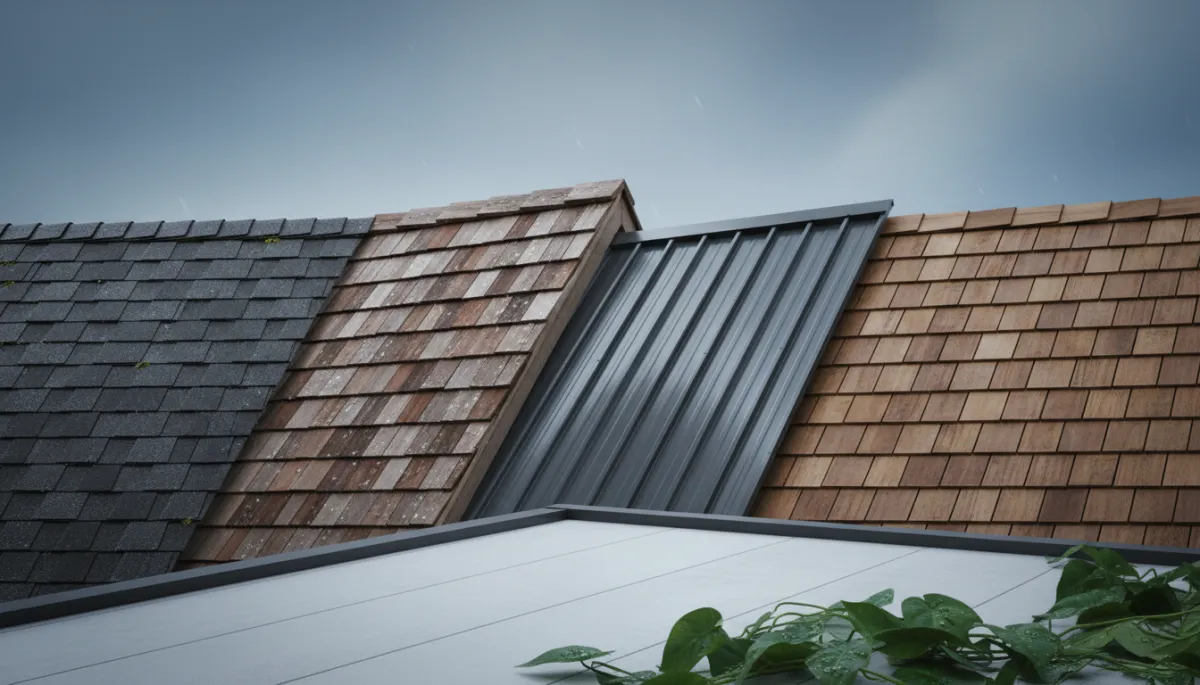
Top Roofing Materials for Puget Sound Homes
Choosing the right roofing material for your Puget Sound home is a big decision — and Snohomish Roofing Company is here to help you make it with confidence. As Snohomish County's trusted local roofing experts, we install and recommend materials built for our rainy, mild Pacific Northwest climate. Call us at (360) 913-2021 or visit https://snohomishroof.com to schedule your FREE consultation today.
Roofing, Puget Sound, Materials, Replacement, Snohomish Roofing Company
Best Roofing Materials for the Puget Sound Climate
The Puget Sound region is beautiful, but its weather is tough on roofs. Between long rainy seasons, shaded lots, coastal winds, and occasional freeze–thaw cycles, not every roofing material performs the same. As a homeowner in Snohomish County or the greater Puget Sound area, choosing the right system can protect your home, control long-term costs, and reduce maintenance headaches for years to come.
What Makes the Puget Sound Climate So Hard on Roofs?
Our local climate is defined by frequent rainfall, extended periods of dampness, and plenty of tree cover. Areas from Everett and Snohomish to Lynnwood, Edmonds, and the Eastside can see more than 150 rainy days per year, with roofs that stay shaded and wet for long stretches. According to regional roofing studies, this combination accelerates moss, algae, and lichen growth, and can shorten roof lifespans if materials are not chosen and installed carefully (integrityrc.com).
Coastal and bluff-top homes also battle wind-driven rain and salt-laden air, while inland neighborhoods can experience freeze–thaw cycles that stress shingles and flashing. In this environment, durability in wet conditions, moss resistance, and proper underlayment are just as important as curb appeal and upfront price. Snohomish Roofing Company evaluates all of these factors when recommending roof repair or roof replacement options for local homeowners.
Architectural Asphalt Shingles: The Best All-Around Value for Most Homes
For the majority of Puget Sound homes, architectural (also called dimensional) asphalt shingles provide an excellent balance of cost, durability, and appearance. Modern architectural shingles designed for wet climates often include algae-resistant granules with copper or zinc, which help slow moss and algae growth on damp, shaded roofs (redbirdroofs.com, pacificroofing.com). Snohomish Roofing Company frequently recommends these shingles for standard pitched roofs across Snohomish County neighborhoods, from older bungalows to newer subdivisions.
In terms of durability, high-quality architectural shingles typically last 25–30 years in the Puget Sound region with proper installation and routine maintenance (everpeakroof.com). That lifespan assumes regular roof cleaning, moss control, and clear gutters, which our team can advise you on during and after your roof replacement. Compared with basic three-tab shingles, architectural products are thicker, more wind-resistant, and better suited to the storms and gusts that sweep through the area each fall and winter.
Cost-wise, architectural asphalt shingles remain one of the most affordable options for Puget Sound homeowners. They deliver strong protection and an attractive, dimensional look without the premium price tag of metal or composite shake. When budget, resale value, and reliability all matter, Snohomish Roofing Company often recommends algae-resistant architectural shingles as the best all-around choice for roof replacement in our climate.
Cedar Shake: Classic Northwest Look, Higher Maintenance in Wet Weather
Western red cedar shake is part of the classic Pacific Northwest aesthetic. Many older homes in Snohomish, Everett, and the surrounding communities were built with cedar shake roofs that complement wooded lots and craftsman architecture. Cedar offers natural insulation and a warm, textured appearance that some homeowners still love. However, in today’s wetter, moss-prone environment, natural cedar requires significant maintenance and comes with trade-offs you should understand before investing in a new shake roof.
In a damp climate, untreated or poorly maintained cedar is vulnerable to moss, algae, and fungal decay. Even treated cedar shake typically needs regular cleaning, treatment, and careful monitoring to reach its potential lifespan of about 20–25 years; neglected roofs can fail closer to 15 years (everpeakroof.com). Moss can lift shakes, trap moisture, and lead to leaks or premature rot, especially on shaded north-facing slopes. Fire risk and evolving local building codes are additional considerations around some wooded or hillside properties.
Cedar shake is also typically more expensive upfront than architectural asphalt shingles, and the ongoing maintenance costs can add up over time. For these reasons, Snohomish Roofing Company usually recommends cedar only for specific situations, such as historic homes or neighborhoods where preserving original character is a priority and homeowners are prepared for regular upkeep. For most clients who like the look of cedar but not the maintenance, we suggest exploring composite shake alternatives instead.
Metal Roofing: Standing Seam and Corrugated Options for Long-Term Performance
Metal roofing has become increasingly popular across the Pacific Northwest thanks to its exceptional durability, water-shedding ability, and moss resistance. In wet climates, properly installed metal panels shed rain quickly and dry out faster than many other surfaces, making it difficult for moss and algae to get established (integrityrc.com, metalroofingnw.com). For Puget Sound homeowners planning to stay in their homes long-term, metal can be an outstanding investment.
Standing seam metal roofing uses interlocking vertical panels with concealed fasteners, creating a clean, modern look and minimizing potential leak points. Corrugated metal, with its familiar wavy profile, is often used on shops, barns, and some residential applications where a more utilitarian or rustic appearance is desired. Both systems perform well in our rainy, windy conditions when installed with quality underlayment, proper flashing, and corrosion-resistant fasteners. In coastal or salt-exposed areas, aluminum or coated steel is typically recommended to reduce corrosion risk (integrityrc.com).
Lifespan is one of metal roofing’s biggest advantages. Many standing seam systems can last 40–60 years or more in the Pacific Northwest with minimal maintenance (guardianroofing.com, everpeakroof.com). Moss growth is rare because the smooth metal surface does not retain moisture or organic debris the way rougher materials do. While metal roofing costs more upfront than asphalt shingles, its longevity and low maintenance can make it cost-effective over the life of the home, especially for homeowners who plan to stay put or pass the property on to the next generation.
Snohomish Roofing Company often recommends standing seam metal for homes in exposed, windy, or coastal locations, and for clients who prioritize long-term value and minimal moss concerns. For budget-conscious homeowners who like the idea of metal but need to control costs, we can discuss where corrugated panels or hybrid approaches may make sense, such as outbuildings or accent roofs over porches and entries.
Composite Shake: Cedar Curb Appeal Without the Cedar Headaches
Composite shake (also called synthetic shake or composite shingles) is engineered to mimic the look of natural cedar while delivering far better moisture and moss resistance. These products are typically made from advanced polymers or blends of recycled materials and are designed to resist rot, splitting, and warping. Many brands used in the Pacific Northwest carry strong warranties and Class A fire ratings, making them an attractive option for wooded neighborhoods where fire safety and appearance both matter (redbirdroofs.com, everpeakroof.com).
In our wet Puget Sound climate, composite shake offers notable advantages over natural wood. The materials are manufactured to be highly resistant to moisture absorption and are less hospitable to moss and algae growth than rough-sawn cedar. While no roof is completely maintenance-free, composite shake typically requires less frequent cleaning and treatment than natural wood, and it holds its shape and color more consistently over time. Typical lifespans range from 30–50 years, though long-term local data is still emerging as these systems continue to prove themselves in the field (everpeakroof.com).
Cost for composite shake is generally higher than architectural asphalt shingles but lower than many premium metal systems. For homeowners who want a high-end, Northwest look without the intensive upkeep of cedar, Snohomish Roofing Company frequently recommends composite shake as a smart, long-term solution. We can show you sample boards, completed local projects, and manufacturer specifications so you can compare appearance, warranties, and price points with confidence.
Flat and Low-Slope Roofs: TPO and PVC Membrane Solutions
Many mid-century ramblers, modern homes, and additions around Puget Sound include flat or low-slope roof sections. Traditional shingles are not designed for these pitches; they rely on gravity and overlap to shed water, which is not sufficient when water tends to pond. For these areas, Snohomish Roofing Company typically installs single-ply membrane systems such as TPO (thermoplastic polyolefin) or PVC (polyvinyl chloride), which are engineered to provide a continuous, waterproof barrier (everpeakroof.com).
TPO and PVC membranes are heat-welded at the seams, creating a watertight surface that performs well under constant rain and standing water. These systems are particularly effective in our region because they handle the frequent storms and extended wet periods that can overwhelm older built-up roofs or improperly installed torch-down materials. Typical lifespans range from 20–30 years when installed correctly and inspected periodically (everpeakroof.com). They also offer good resistance to algae and moss, since the smooth, reflective surfaces dry relatively quickly and do not provide much organic material for moss to anchor to.
Costs for flat-roof membranes vary by brand, thickness, and project complexity, but they are generally comparable to mid-range roofing options. Snohomish Roofing Company strongly recommends TPO or PVC for any flat or low-slope sections on otherwise shingled homes. This “mixed” approach ensures each roof area gets the right material for its pitch and exposure, improving overall durability and reducing the risk of leaks where flat and pitched sections meet.
Durability, Moss Resistance, Cost, and Lifespan: How the Options Compare
When Snohomish Roofing Company helps homeowners choose a roofing material, we focus on four key factors: durability in wet climates, moss resistance, cost, and expected lifespan. Architectural asphalt shingles offer strong overall value, with good durability, moderate moss resistance (especially in algae-resistant lines), and a lifespan of about 25–30 years. They are usually the most budget-friendly option for full roof replacement and remain the most common choice in our service area (everpeakroof.com, pacificroofing.com).
Cedar shake provides a distinctive look but scores lower on moss resistance and long-term durability unless it receives consistent, professional maintenance. Its shorter lifespan and higher upkeep often make it more expensive over time, even if the initial installation cost is similar to or higher than architectural shingles. Composite shake improves on cedar’s weaknesses by offering much better moisture resistance and a longer expected lifespan, typically 30–50 years, at a mid-to-high price point (redbirdroofs.com, everpeakroof.com).
Metal roofing, especially standing seam, leads the pack in durability and moss resistance. With potential lifespans of 40–60 years or more, metal is often the best long-term investment in our wet, moss-prone climate (guardianroofing.com, metalroofingnw.com). Upfront costs are higher, but the reduced maintenance and extended life can make metal very cost-effective over decades. For flat and low-slope roofs, TPO and PVC membranes are the clear winners, delivering 20–30 years of waterproof performance when installed and maintained correctly (everpeakroof.com).
What Snohomish Roofing Company Recommends for Puget Sound Homeowners
Every home, neighborhood, and budget is different, which is why Snohomish Roofing Company provides personalized recommendations rather than a one-size-fits-all answer. That said, our experience across Snohomish County and the greater Puget Sound area has led us to a few consistent guidelines for roof repair and roof replacement projects.
- For most pitched residential roofs, we recommend high-quality, algae-resistant architectural asphalt shingles as the best blend of cost, durability, and appearance for our rainy, moss-prone climate.
- For homeowners seeking a long-term, low-maintenance solution — especially in wind-exposed or coastal areas — we often recommend standing seam metal roofing, with appropriate coatings and fasteners for local conditions.
- For clients who love the look of cedar but want stronger moss resistance and a longer lifespan, composite shake is a compelling option that balances aesthetics and performance.
- For any flat or low-slope roof sections, we recommend TPO or PVC membranes rather than shingles, to ensure reliable waterproofing and fewer leak concerns over time.
Beyond the material itself, we emphasize quality workmanship, high-performance underlayment, and proper ventilation. Studies show that even premium materials can fail early if they are installed incorrectly or paired with inadequate underlayment or flashing (integrityrc.com, blueandblueroofing.com). Our crews are trained to address these details so your new roof performs as promised, not just on day one but for decades to come. Many of our customers share that their new roofs not only look better, but also provide greater peace of mind through our stormy fall and winter seasons.
Final Thoughts: Choosing the Right Roof for Your Puget Sound Home
Replacing your roof is one of the largest investments you will make in your home, and the Puget Sound climate adds extra pressure to get it right. Architectural asphalt shingles, cedar shake, metal roofing, composite shake, and flat-roof membranes all have a place in our region — the key is matching the right material to your home’s design, slope, exposure, and your long-term plans. A thoughtful choice today can mean fewer repairs, less moss, and better protection for your home and family in the years ahead.
Ready to choose the best roofing material for your Puget Sound home? The experts at Snohomish Roofing Company are ready to walk you through every option and give you an honest recommendation based on your home, budget, and neighborhood. Call (360) 913-2021 or visit https://snohomishroof.com for your free estimate — serving Snohomish County and the greater Puget Sound area.
SEO Title: Best Roofing Materials for the Puget Sound Climate | Snohomish Roofing Company
Meta Description: Discover the best roofing materials for the rainy Puget Sound climate, including architectural shingles, metal, cedar, composite shake, and flat-roof options. Learn what Snohomish Roofing Company recommends for durability, moss resistance, cost, and lifespan.
Meta Keywords: Puget Sound roofing, Snohomish roofing, best roofing materials, architectural shingles, metal roofing, composite shake, cedar shake, flat roof TPO, PVC roofing, roof replacement Snohomish County